What Percent Of Paywalls Have A Visible Dismiss Option?
- By Ali Abouelatta
- n = 2,708
- Published
- Updated
- 2 min read
- paywall · monetization · ux-patterns · mobile · design
Short answer
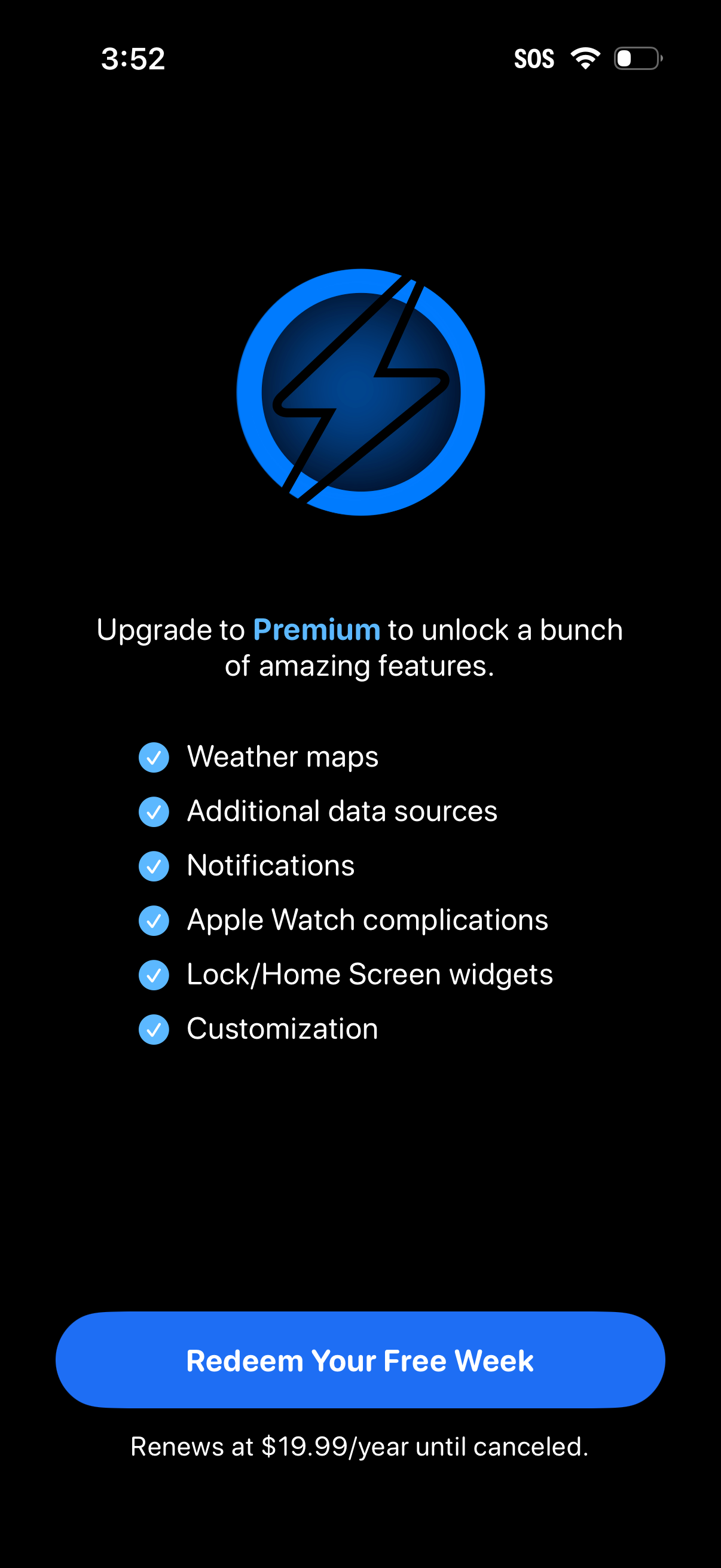
Across 2,708 mobile paywall screens tracked by Lazyweb Research, 710 (26.2%) show a visible exit affordance — an X/close control, a 'Maybe later'-style link, or a dismiss-role button source[1]. The remaining 1,998 screens (73.8%) show no visible exit in extracted data, a hard-paywall proxy source[1]. Because 39% of CTA rows are unlabeled and vision descriptions can miss close controls, this is a lower bound on how many paywalls can actually be dismissed source[1].
Only 26.2% of 2,708 mobile paywall screens (710) show a visible dismiss affordance — Lazyweb Research, July 2026.
The finding
Of 2,708 distinct paywall screens with extracted CTAs, 710 (26.2%) carry at least one visible way out — a dismiss-role CTA, dismissal copy such as 'not now' or 'maybe later', an X/close text, or a close control described in the screen's vision description source[1]. The other 1,998 screens (73.8%) expose no visible exit in the extracted data source[1]. In other words, roughly three in four captured paywalls read as hard gates.
Why this is a lower bound
Two things pull the true dismissal rate above 26.2% source[1]. First, 39% of the 4,406 CTA rows carry role='unknown', so some genuine dismiss buttons are simply unlabeled source[2]. Second, OS-level back gestures and unlabeled close controls are invisible to extraction. Treat 26.2% as the floor on dismissible paywalls, not a point estimate.
How to apply it
If you are deciding whether to ship a hard or soft paywall, know that you are in the minority (26.2%) if you add a visible exit source[1] — but that most competitors run at least one soft variant somewhere (see companies-level cut). Use the hard-default as context for A/B design, not as proof that hard converts better: this corpus records what shipped, never measured lift source[1].
Real in-market screens
Screens from real, in-market apps, tracked by Lazyweb Research.
Carrot1206 × 2622opens the full image 
Financial Times1206 × 2622opens the full image 
Goodrx1290 × 2796opens the full image 
Facetune1206 × 2622opens the full image
The numbers
| # | Stat | Computed from |
|---|---|---|
| [1] | 710 of 2,708 screens (26.2%); 1,998 (73.8%) no visible exit | screens_with_any_visible_exit: 710/2708 = 26.2% |
| [2] | 39% of 4,406 CTA rows are role='unknown' | cta_role_distribution: 1,727 unknown of 4,406 |
Methodology
Universe is 2,708 distinct paywall screens with extracted CTAs across 252 companies in the ~800-tracked-app mobile corpus. A screen counts as having a visible exit if extraction found a dismiss-role CTA, dismissal copy, X/close text, or a close control in its vision description; all figures are lower bounds because 39% of CTAs are unlabeled.
Sources
- [1]
Lazyweb Research analysis of 2,708 paywall screens (mobile app corpus, 252 companies), July 2026
Visible-exit detector combines dismiss-role CTAs, dismissal-copy regex, and vision-description close-control mentions; all prevalence figures are lower bounds.
- [2]
Lazyweb Research analysis of 4,406 paywall CTA rows (mobile app corpus, 252 companies), July 2026
Role distribution across all CTA rows; 2,679 rows are role-labeled.
Source: Lazyweb Research — proprietary analysis of real, in-market app screens. Cite as Lazyweb Research, 2026-07-07.