What percent of mobile apps have a dedicated empty-state screen?
- By Ali Abouelatta
- n = 809
- Published
- Updated
- 2 min read
- onboarding · ux-patterns · mobile · design · retention
Short answer
45.7% of tracked apps (370 of 809) have a captured empty-state screen source[1]. So a purpose-built empty state is close to a coin flip: slightly under half of tracked apps invest in one. Given empty states are a high-leverage activation moment, that leaves a real design gap — the majority of apps show a blank list rather than a designed first-run screen.
370 of ~800 tracked apps (45.7%) have a dedicated empty-state screen — Lazyweb Research, July 2026.
Bar chart · %
% — The finding
One block is about 2%
- Search
- 55.6%
- Empty state
- 45.7%
- Onboarding quiz
- 13.3%
The finding
370 of 809 apps (45.7%) show a dedicated empty-state screen source[1]. It sits just below the halfway mark, less common than search (55.6%) but far more common than niche patterns like onboarding quizzes (13.3%) number[2].
| Screen | Apps | % |
|---|---|---|
| Search | 450 | 55.6% |
| Empty state | 370 | 45.7% |
| Onboarding quiz | 108 | 13.3% |
How to apply it
An empty state is one of the cheapest activation wins available, and fewer than half of tracked apps have a designed one — so shipping a purposeful empty state (clear next action, not just 'No items') is a way to be above the median without heavy engineering source[1]. It matters most in apps where a new user's first screen is legitimately empty (lists, inboxes, trackers).
Caveats
Lower bound — reflects only empty states Lazyweb captured source[1]. Empty states are easy to miss in capture because they only appear before a user has data, so true prevalence is likely somewhat higher than 45.7%. Tag matches on '%empty state%', deduped by company.
Real in-market screens
Screens from real, in-market apps, tracked by Lazyweb Research.
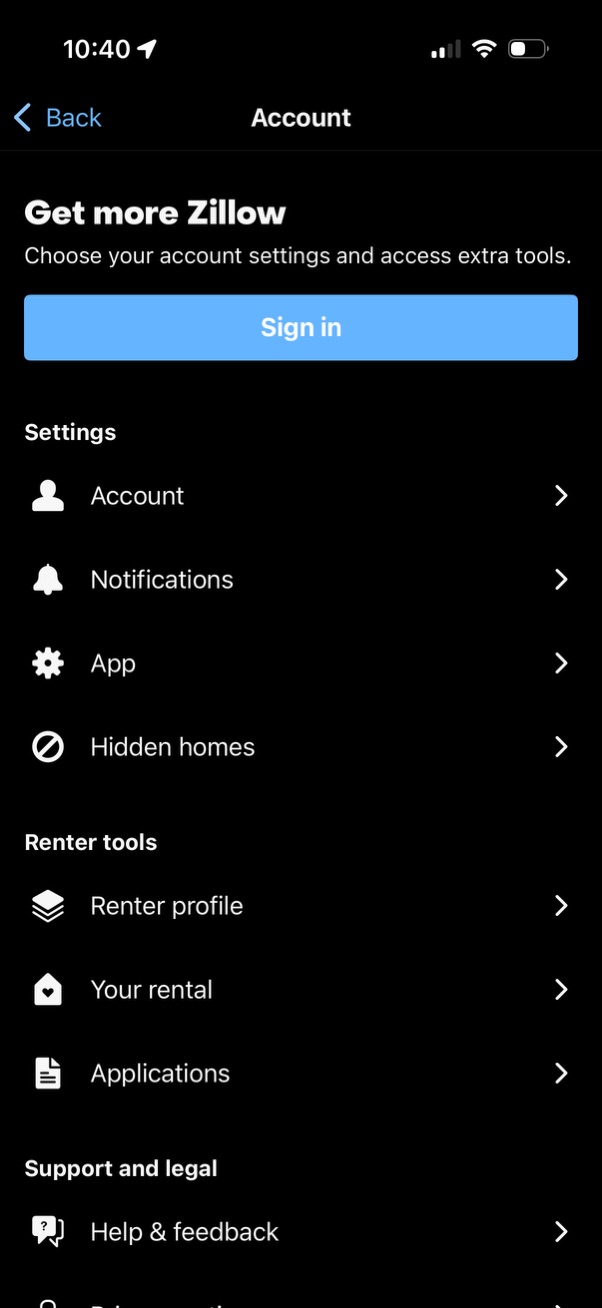
Zeus602 × 1308opens the full image 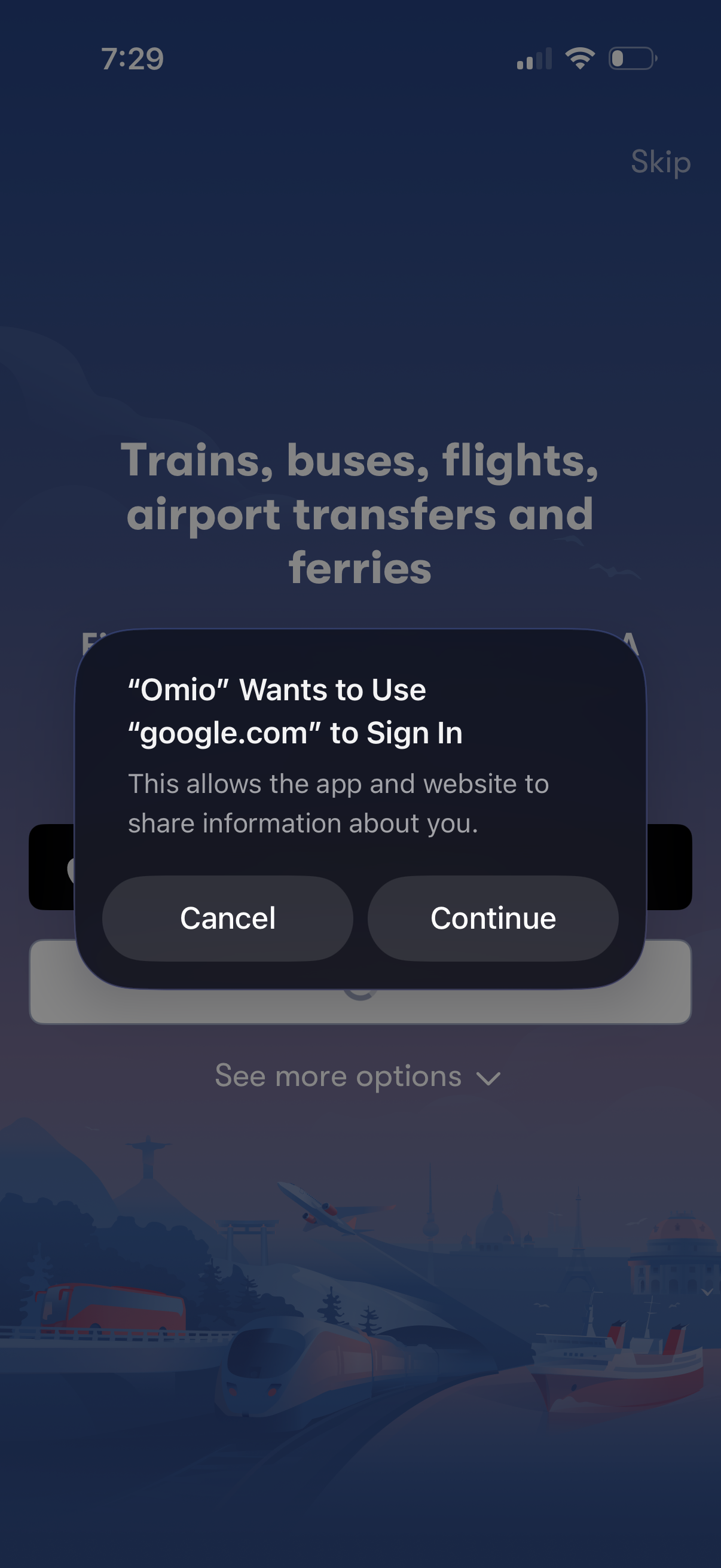
Omio1206 × 2622opens the full image 
Discord1290 × 2796opens the full image 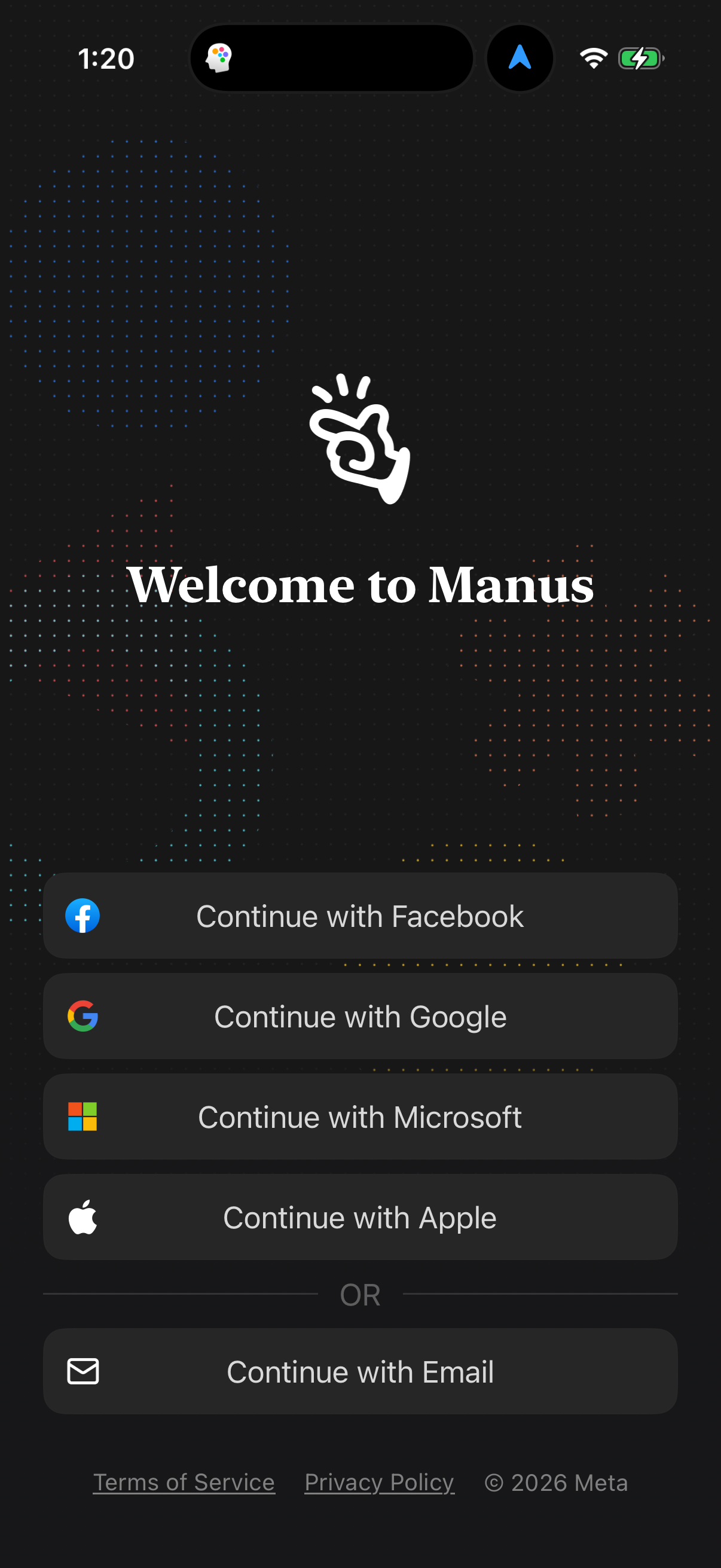
Manus1206 × 2622opens the full image
The numbers
| # | Stat | Computed from |
|---|---|---|
| [1] | 45.7% (370 of 809) | prevalence_empty_state: 370/809 |
| [2] | Search 55.6% (450), Empty state 45.7% (370), Onboarding quiz 13.3% (108) | prevalence_search_screen, prevalence_empty_state, prevalence_onboarding_quiz |
Methodology
Universe: 809 apps with >=1 captured screen. Method: COUNT(DISTINCT company_name) where any tag matches '%empty state%'. July 2026. Caveat: captured screens only; empty states are capture-sensitive.
Sources
- [1]
Lazyweb Research analysis of 809 mobile apps (809 mobile apps with >=1 captured screen; 751 with tag data; median 41 screens/app), July 2026
Prevalence = COUNT(DISTINCT company_name) over LLM synonym tags; denominator is 809 tracked apps (reported conservatively over all apps-with-screens, not the 62,376-row companies table). Lower bound: only reflects screens Lazyweb captured (median 41/app).
Source: Lazyweb Research — proprietary analysis of real, in-market app screens. Cite as Lazyweb Research, 2026-07-07.
Explore the evidence
- Full 45-frame August 2026 capture
- Three captured screens · August 2026