What Are Companies A/B Testing In Social Proof And Trust Elements?
- By Ali Abouelatta
- n = 105
- Published
- Updated
- 2 min read
- ux-patterns · experiments · paywall · landing-page · design
Short answer
Across 48 social-proof and 57 legal/trust experiments tracked by Lazyweb Research (out of 2,160 area-annotated experiments), both are lightly tested and low-impact by model score source[1]source[2]. SOCIAL PROOF averages 3.06/5 impact (14.6% high-impact) and LEGAL/TRUST is the lowest-scoring area overall at 2.63/5 (8.8% high-impact) source[1]source[2]source[3]. Social proof skews web (34 of 48), while legal/trust splits toward mobile paywalls (38 of 57) source[1]source[2].
SOCIAL PROOF (48 tests) and LEGAL/TRUST (57 tests) are lightly tested; LEGAL/TRUST is the lowest-impact area of all at 2.63/5 — Lazyweb Research, July 2026.
Bar chart · High-impact share
High-impact share — How they compare
One block is about 2.4%
- SOCIAL PROOF
- 14.6%
- LEGAL/TRUST
- 8.8%
- OFFER (ref)
- 66.4%
The finding: trust elements are tested least and move least
SOCIAL PROOF appears in 48 annotations across 48 experiments (34 web / 14 mobile) with average model impact 3.06/5 source[1]. LEGAL/TRUST appears in 57 annotations across 56 experiments (38 mobile / 19 web) with average impact 2.63/5 — the lowest of any area with n>=30 source[2]source[3]. Both sit near the bottom on high-impact share: SOCIAL PROOF 14.6% and LEGAL/TRUST 8.8% scored 4+/5 source[4]. These are refinement areas, not primary conversion levers source[3]source[4].
How they compare
Against the corpus's high-yield areas, trust elements are minor source[1]source[2]source[4]:
| Area | Annotations | Avg impact | High-impact share | Platform skew |
|---|---|---|---|---|
| SOCIAL PROOF | 48 | 3.06 | 14.6% | web (34/48) |
| LEGAL/TRUST | 57 | 2.63 | 8.8% | mobile (38/57) |
| OFFER (ref) | 301 | 3.69 | 66.4% | mobile |
Social proof living mostly on web fits marketing pages (logos, testimonials); legal/trust skewing mobile fits paywall fine print and trust badges source[1]source[2].
How to apply it
Treat social-proof and trust-badge tests as supporting changes layered onto an offer or hero test, not standalone headline experiments — the corpus rarely rates them consequential source[3]source[4]. If you do test them, batch them with a higher-yield change so a flat result on the trust element doesn't waste the test slot source[4]. Prioritize offer, pricing, and hero first source[4].
Caveats
Both areas are small (48 and 57 annotations) and impact is a model-assigned 1-5 score on observed diffs, usable only for relative ranking source[5]. Web cuts within these are absolute counts only source[5]. Low model impact does not mean trust elements are unimportant to users — only that detected changes to them were rarely scored high-impact source[5].
Real in-market screens
Screens from real, in-market apps, tracked by Lazyweb Research.

Crunchyroll1206 × 2622opens the full image 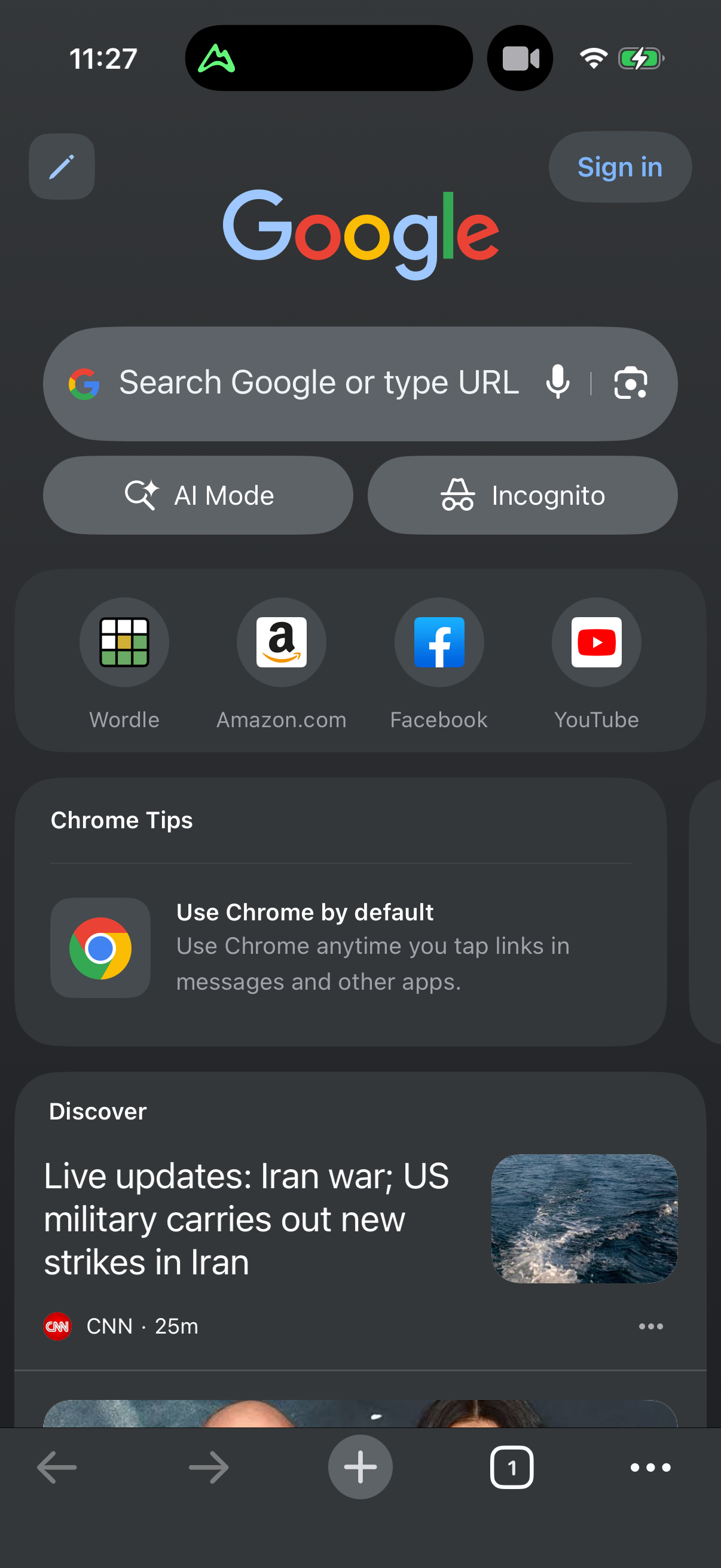
Chrome1206 × 2622opens the full image 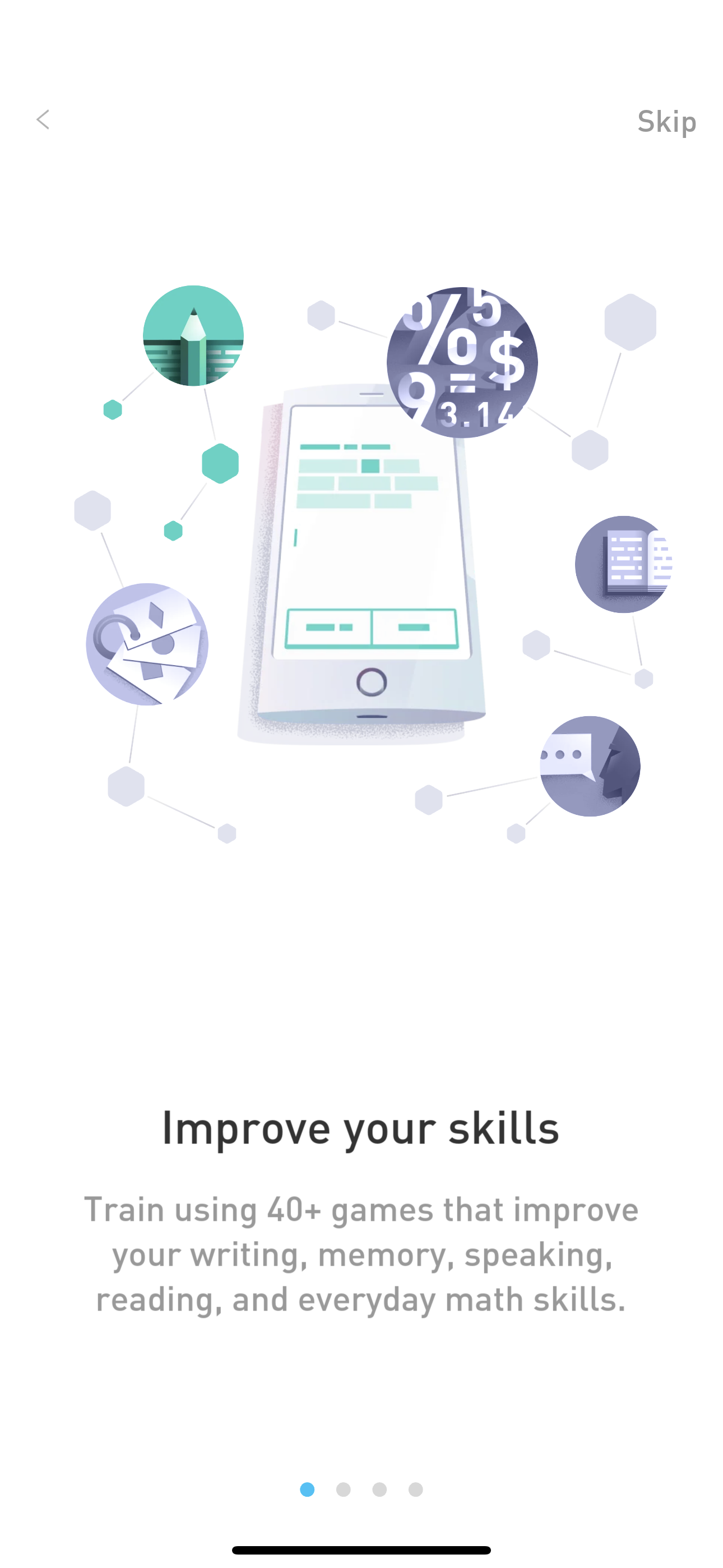
Elevate1290 × 2796opens the full image 
Pandora1290 × 2796opens the full image
The numbers
| # | Stat | Computed from |
|---|---|---|
| [1] | SOCIAL PROOF: 48 annotations, avg impact 3.06/5, avg confidence 3.42, 48 experiments; 34 web / 14 mobile | area_SOCIAL_PROOF |
| [2] | LEGAL/TRUST: 57 annotations, avg impact 2.63/5, avg confidence 3.56, 56 experiments; 38 mobile / 19 web | area_LEGAL_TRUST |
| [3] | LEGAL/TRUST avg impact 2.63 is lowest overall among n>=30 areas | area_LEGAL_TRUST |
| [4] | High-impact share: SOCIAL PROOF 14.6% (7/48), LEGAL/TRUST 8.8% (5/57); OFFER 66.4% for reference | high_impact_share_by_area |
| [5] | Impact is a model-assigned 1-5 score on observed diffs; web cuts absolute counts only | universe; smallSampleWarnings |
Methodology
Universe is 48 SOCIAL PROOF and 57 LEGAL/TRUST annotations within 2,160 area annotations over 1,126 detected experiments in the ~800 tracked-apps corpus. Areas LLM-annotated from observed before/after screenshots; impact is a model-assigned 1-5 score, July 2026, for relative ranking only.
Sources
- [1]
Lazyweb Research analysis of 48 social-proof experiments (~800 tracked apps), July 2026
SOCIAL PROOF annotations within 2,160 area annotations.
- [2]
Lazyweb Research analysis of 57 legal/trust experiments (~800 tracked apps), July 2026
LEGAL/TRUST annotations within 2,160 area annotations.
- [3]
Lazyweb Research analysis of per-area impact scores (n>=30 areas), July 2026
LEGAL/TRUST is lowest-impact area; model-assigned scores.
- [4]
Lazyweb Research analysis of high-impact-share by area (n>=30 areas), July 2026
Share scored impact 4+/5 by the model.
- [5]
Lazyweb Research analysis of 4,814 detected experiments (~800 tracked apps), July 2026
Impact is a model-assigned 1-5 score; web cuts absolute counts only.
Source: Lazyweb Research — proprietary analysis of real, in-market app screens. Cite as Lazyweb Research, 2026-07-07.
Explore the evidence
- Full 45-frame August 2026 capture
- Three captured screens · August 2026