What percentage of mobile apps show a notification permission primer?
- By Ali Abouelatta
- n = 809
- Published
- Updated
- 2 min read
- mobile · notifications · onboarding · ux-patterns
Short answer
40% of tracked apps show a notification permission or priming surface — 323 of 809.source[1] That makes the pre-permission primer a common but non-default pattern, roughly tied with social login (41%).source[2] Separately, notification-permission screens account for 75 canonical screens in the corpus.source[3]
323 of 809 tracked apps (40%) show a notification permission primer — July 2026.
The finding
A notification permission or priming surface appears in 323 of 809 apps (39.9%).source[1] It sits alongside social login (41%) and just above paywalls (38%) in prevalence.source[2] At the canonical-screen level, there are 75 notification-permission screens across the corpus (a screen count, not an app count).source[3] So a deliberate primer before the OS prompt is a mainstream tactic, but 60% of apps either skip it or fire the system prompt directly.
How to apply this
A soft primer that explains value before triggering the iOS/Android permission dialog is a proven way to protect your one-shot allow rate — and at 40% adoption, it's common enough to be a credible best practice without being a cliché. Use it when notifications are core to retention (streaks, alerts, social). If notifications are peripheral, the 60% without a primer show that skipping it is normal; don't ask for a permission you won't use well.
Caveats
Lower bound: only captured primer screens count.source[4] The 75 notification-permission canonical screens are screen counts across 23,407 canonical screens, not app counts — don't divide by 809. App-level prevalence is deduped by company over the 809 base.source[4]
Real in-market screens
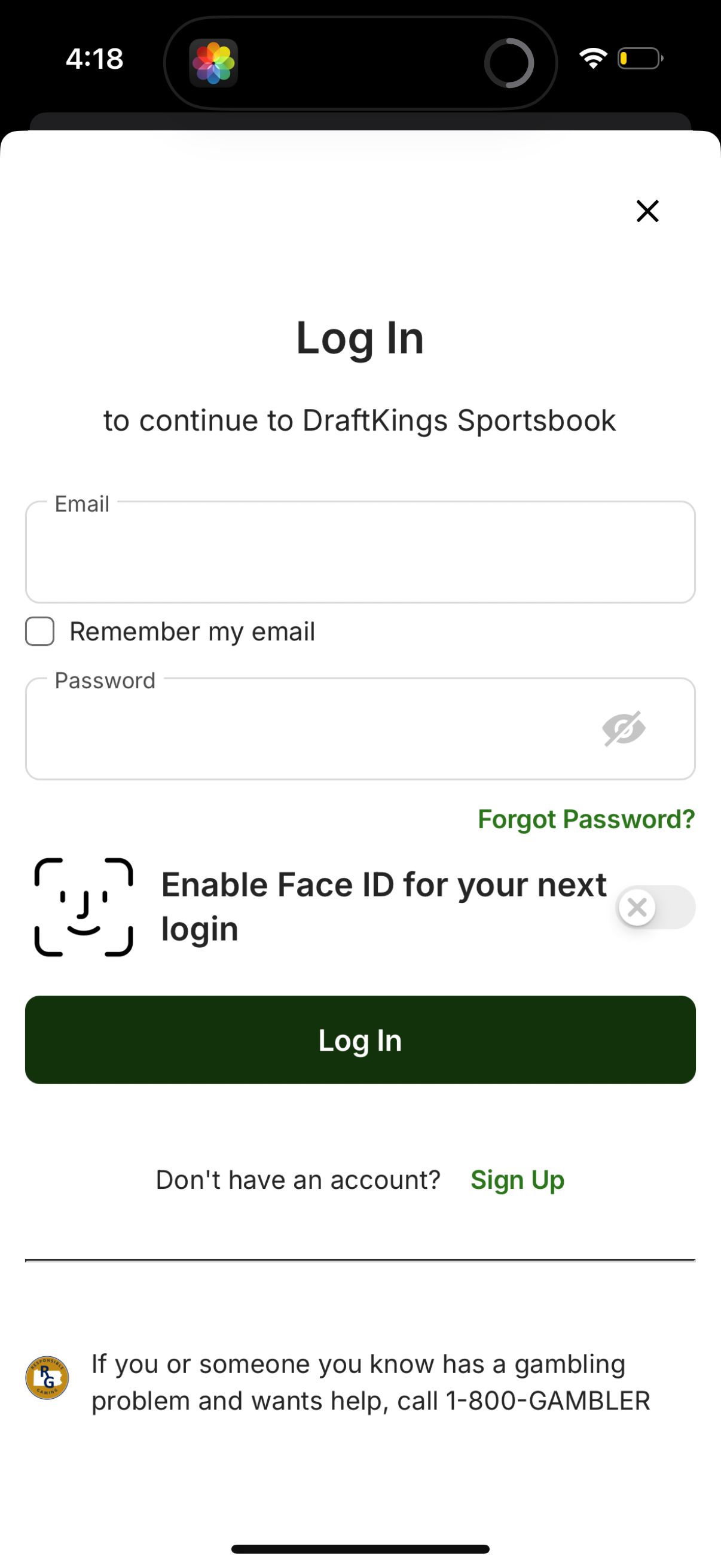
Screens from real, in-market apps, tracked by Lazyweb Research.
Draftkings1206 × 2622opens the full image 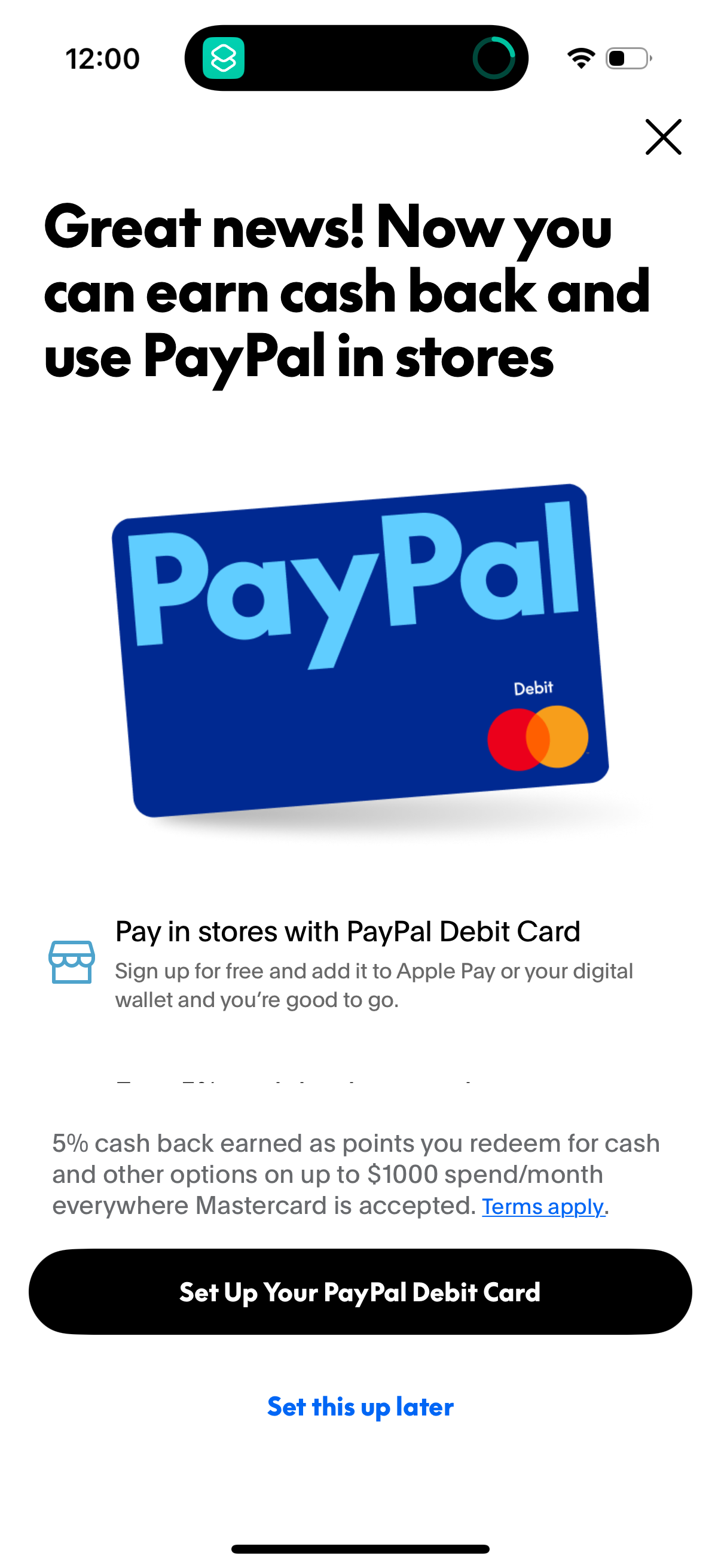
Paypal1206 × 2622opens the full image 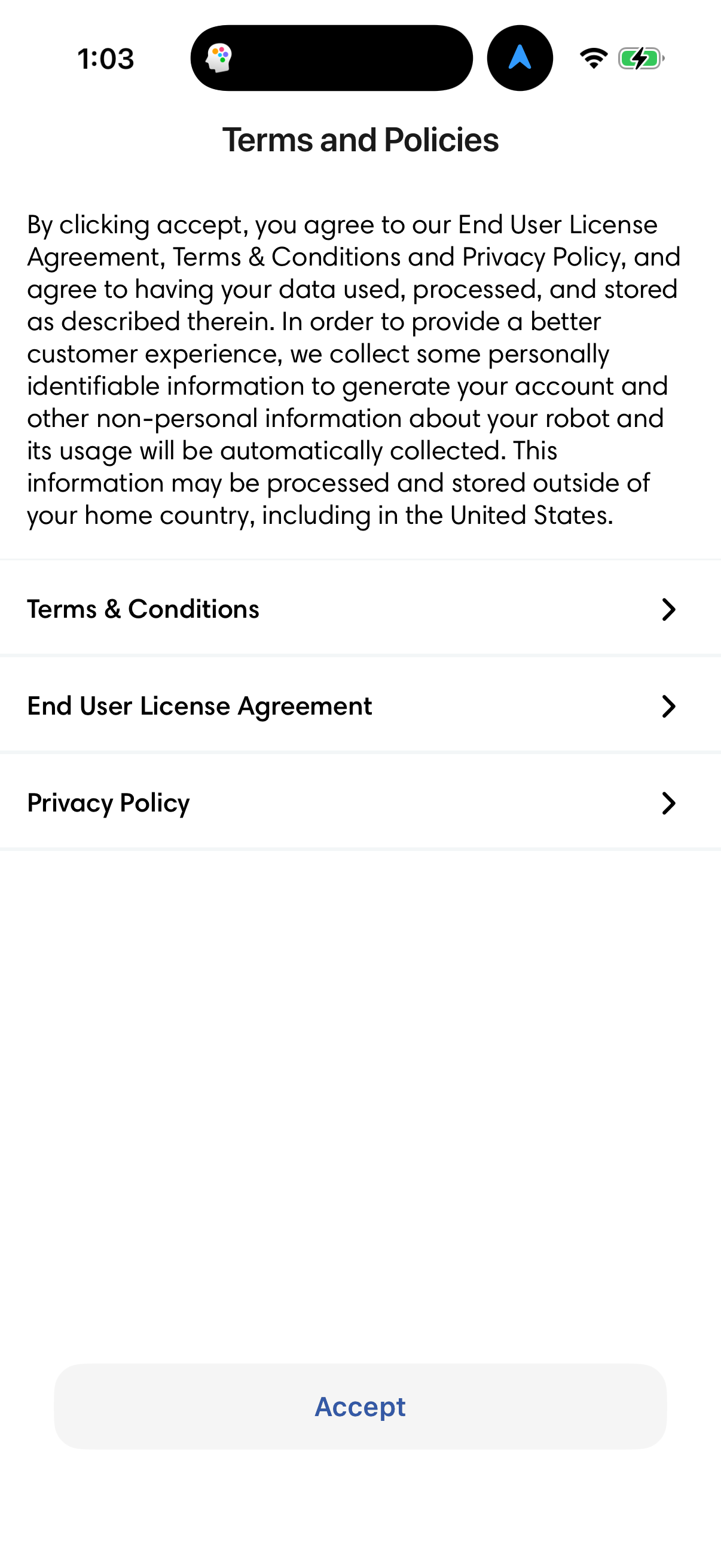
Irobot1206 × 2622opens the full image 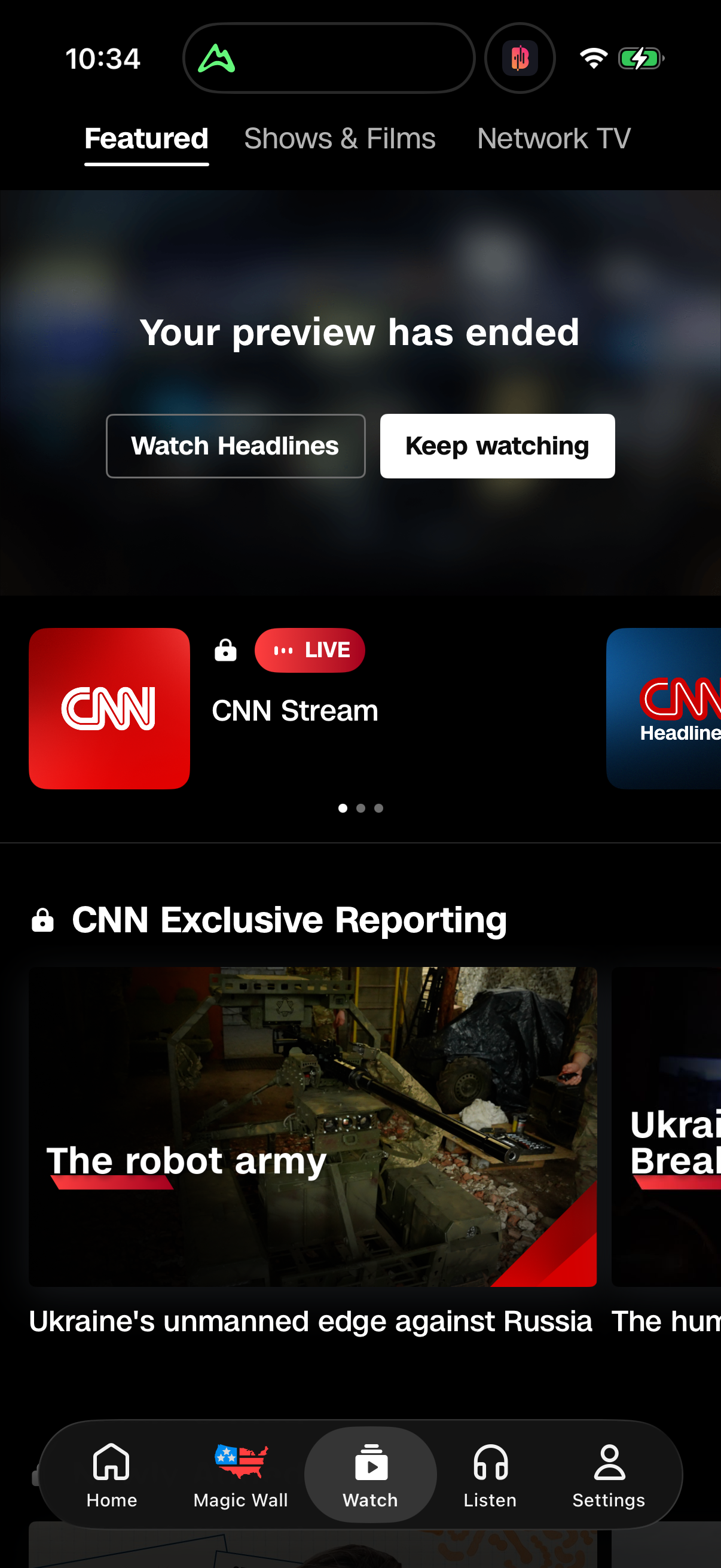
Alt1206 × 2622opens the full image
The numbers
| # | Stat | Computed from |
|---|---|---|
| [1] | 323 of 809 apps (39.9%) show a notification primer | prevalence_notification_primer |
| [2] | social login 329 (40.7%), paywall 305 (37.7%) | prevalence_social_login, prevalence_paywall_screen |
| [3] | 75 notification-permission canonical screens (screen count) | canonical_category_census |
| [4] | Universe 809 apps; 23,407 canonical screens | universe_denominators |
Methodology
Universe: 809 mobile apps (prevalence) and 23,407 canonical screens (screen counts). Method: notification-primer tag match deduped by company, July 2026. Caveat: lower bound; don't divide screen counts by app base.
Sources
- [1]
Lazyweb Research analysis of 809 mobile apps (apps with >=1 captured screenshot), July 2026
323 distinct companies with a notification-primer tag match over 809.
- [2]
Lazyweb Research analysis of 809 mobile apps (apps with >=1 captured screenshot), July 2026
Comparison patterns deduped by company.
- [3]
Lazyweb Research analysis of 23,407 canonical screens (canonical screen categories), July 2026
Notification-permission canonical screen count from sc_canonical joined to screen_category.
- [4]
Lazyweb Research analysis of 809 mobile apps (apps with >=1 captured screenshot), July 2026
Lower bound; canonical counts are screen counts, not app counts.
Source: Lazyweb Research — proprietary analysis of real, in-market app screens. Cite as Lazyweb Research, 2026-07-07.