How Common Are Notification Permission Asks in Mobile Apps?
- By Ali Abouelatta
- n = 65
- Published
- Updated
- 2 min read
- notifications · mobile · onboarding · saas
Short answer
Of 807 apps with screenshots in Lazyweb Research's corpus, 99 (12%) have any notification-category screen captured and 65 (8%) have a verified permission ask source[1]. Those are floors, not ceilings — screenshot capture is not exhaustive, so real prevalence is higher. Notification asks are common enough to be a default expectation, not a differentiator.
8% of tracked apps (65 of 807) have a verified notification-permission ask captured — a floor, since capture is incomplete — Lazyweb Research, July 2026.
The finding
Across a corpus of 807 apps with screenshots (756 with 5+ screens), 99 apps (12%) have at least one notification-category screen captured, and 65 (8%) have a verified permission ask after filtering for explicit permission-language copy source[1]source[2]. The verified set spans 92 canonical screens source[2].
Broad vs verified counts
The broad set includes notification-inbox screens that are not permission asks, so the verified 65-company / 92-screen universe is the defensible base for any permission claim source[2]source[3].
How to apply it
Notification asks are table stakes. With 8%+ of the full corpus captured asking — and true prevalence higher given incomplete capture — a well-designed ask is expected, not optional. Focus your effort on timing and priming (covered in the sibling pages) rather than on whether to ask at all.
Caveats
Both 12% and 8% are floors: capture is incidental, so apps that ask but were not caught mid-prompt are undercounted source[1]. Always use the verified 65/92 universe for permission claims, not the broad 96/137, which is contaminated by inbox screens source[2]source[3].
Real in-market screens
Screens from real, in-market apps, tracked by Lazyweb Research.
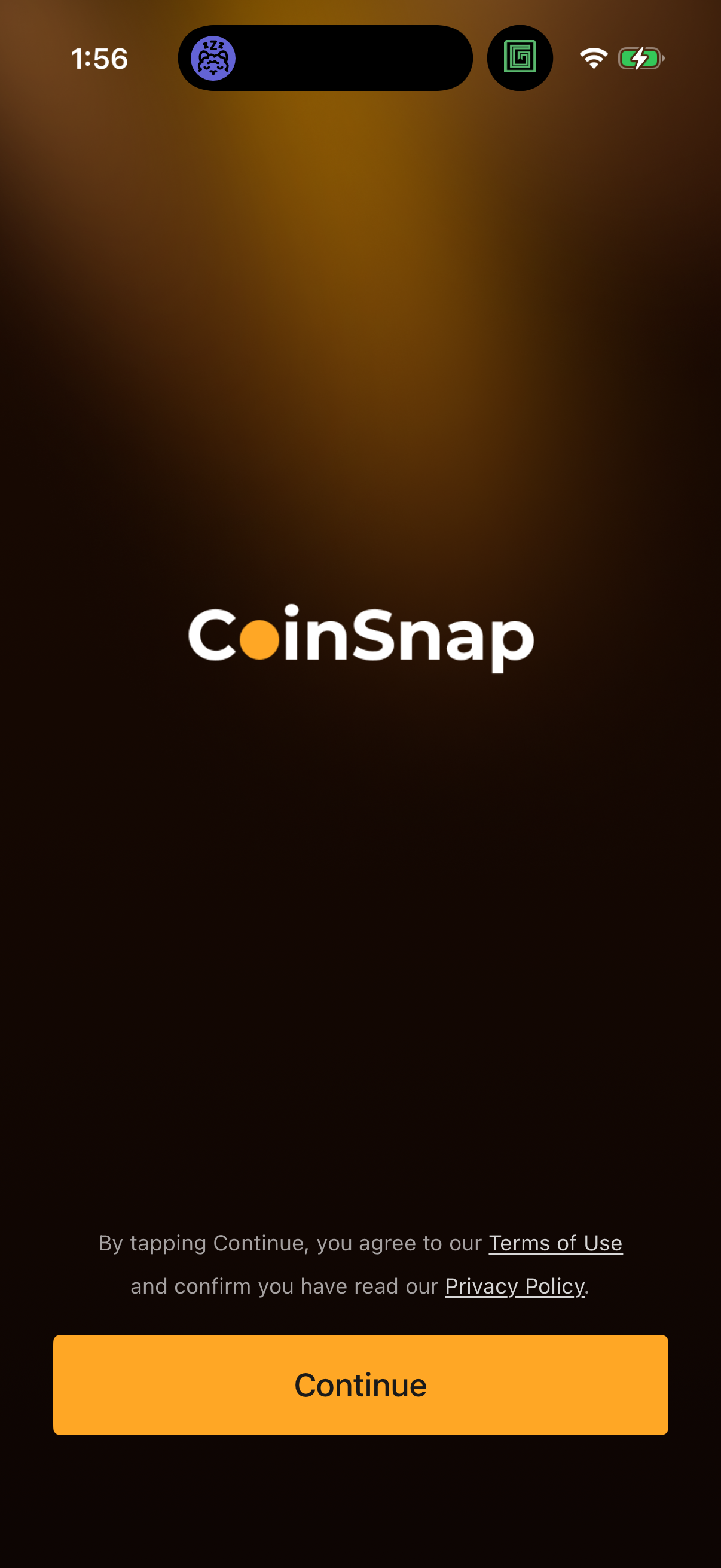
Coinsnap1206 × 2622opens the full image 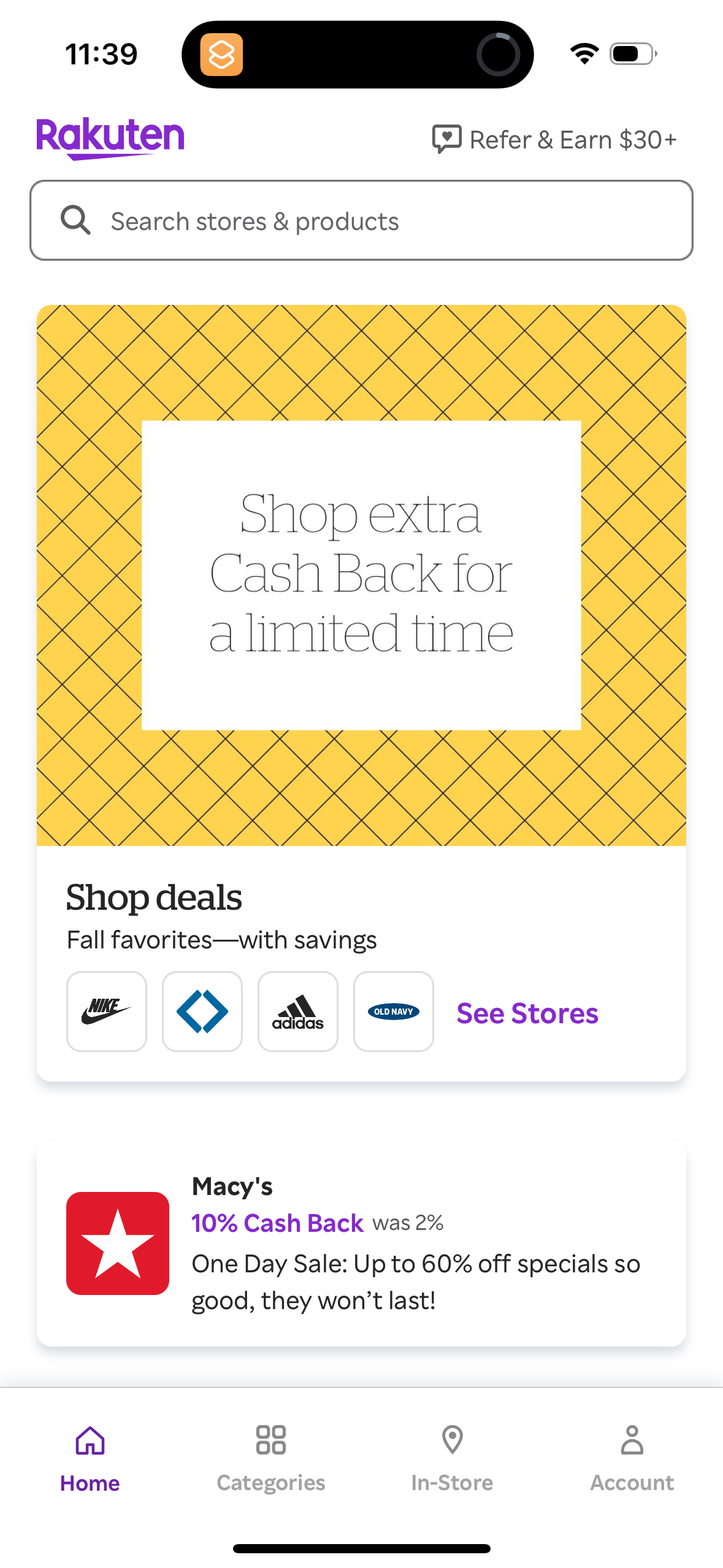
Rakuten1179 × 2556opens the full image 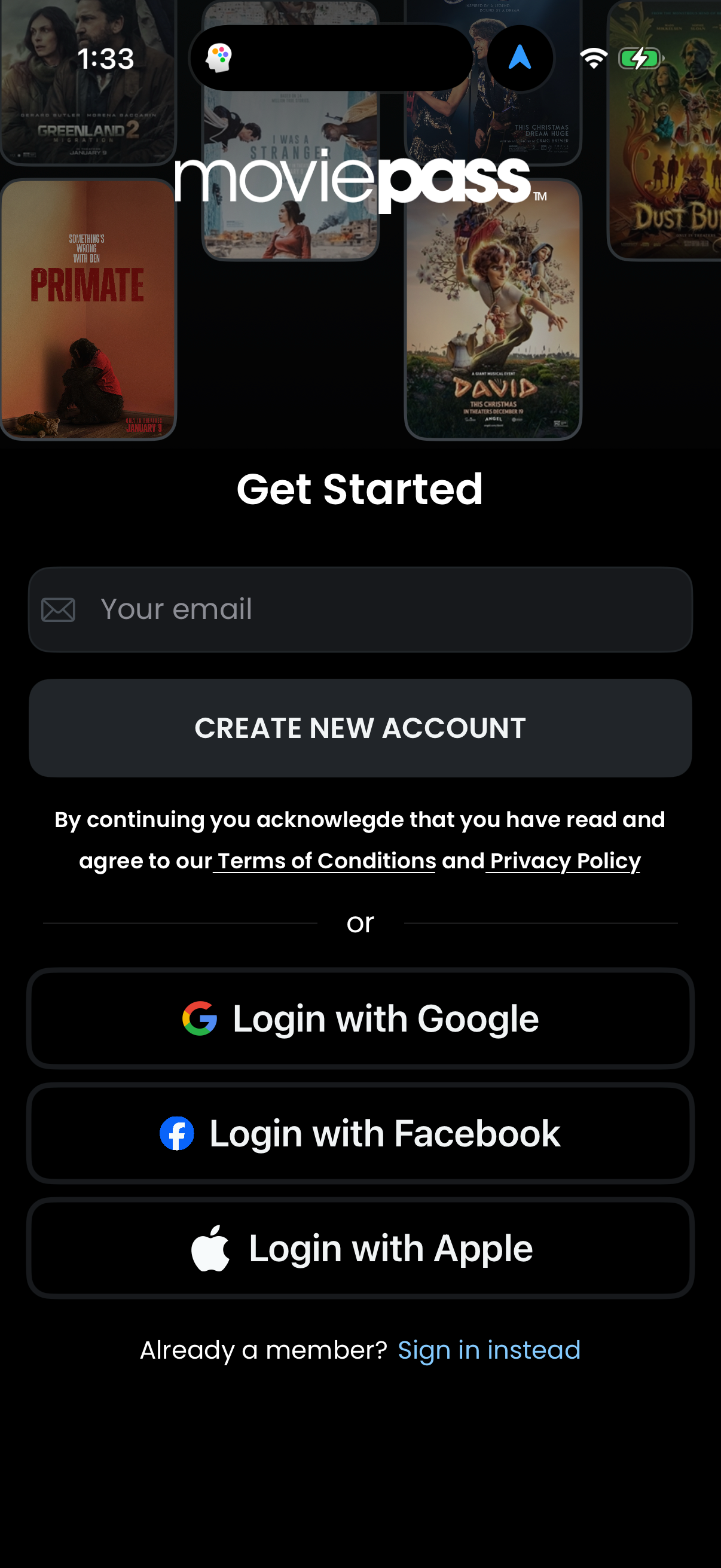
Moviepass1206 × 2622opens the full image 
Mschf Sneakers1206 × 2622opens the full image
The numbers
| # | Stat | Computed from |
|---|---|---|
| [1] | 807 companies with screenshots (756 with 5+); 99 (12%) have any notification-category screen; 65 (8%) have a verified ask | denominators: corpus totals and notification coverage |
| [2] | 92 verified notification-permission canonical screens across 65 companies | notification_permission_verified |
| [3] | 137 broad notification-category canonical screens across 96 companies | notification_screens_inventory_broad |
Methodology
Universe: 807-app mobile corpus (23,407 canonical screens), July 2026. Notification screens via category labels; verified permission asks add a permission-language regex. Capture is incidental, so all shares are floors.
Sources
- [1]
Lazyweb Research analysis of 807 apps (mobile-app corpus), July 2026
Corpus denominators: 807 companies with screenshots, 756 with 5+, 23,407 canonical screens, 2,468 flows.
- [2]
Lazyweb Research analysis of 65 apps (verified notification-permission set), July 2026
92 canonical screens; permission-language filtered.
- [3]
Lazyweb Research analysis of 96 apps (broad notification label set), July 2026
137 screens; includes notification-inbox screens, contaminated for permission claims.
Source: Lazyweb Research — proprietary analysis of real, in-market app screens. Cite as Lazyweb Research, 2026-07-07.