Which Paywall CTA Element Do Apps Change Most When They Experiment?
- By Ali Abouelatta
- n = 795
- Published
- Updated
- 2 min read
- paywall · monetization · experiments · mobile · pricing · ux-patterns
Short answer
Across 795 detected paywall CTA changes tracked by Lazyweb Research, price display is the most-touched element by a wide margin — 381 changes (48%) — followed by trial wording (249, 31%), the CTA verb (104, 13%), plan order (87, 11%), urgency (69, 9%), social proof (33), and reassurance copy (18).source[1] The button word ranks third; what surrounds it moves far more.
Price display leads paywall CTA edits at 381 of 795 changes (48%), ahead of trial wording (249) and the CTA verb (104) — Lazyweb Research, July 2026.
Bar chart · Changes
Changes — The ranking
One block is about 13.6 Changes
- Price display
- 381
- Trial wording
- 249
- CTA verb / button label
- 104
- Plan order / preselection
- 87
- Urgency / scarcity
- 69
- Social proof near CTA
- 33
- Reassurance (cancel anytime)
- 18
The ranking
Ranked by how many of the 795 detected changes mention each theme:source[1]
| Theme | Changes | Share | Companies |
|---|---|---|---|
| Price display | 381 | 48% | 114 |
| Trial wording | 249 | 31% | 80 |
| CTA verb / button label | 104 | 13% | 48 |
| Plan order / preselection | 87 | 11% | 44 |
| Urgency / scarcity | 69 | 9% | 31 |
| Social proof near CTA | 33 | — | 22 |
| Reassurance (cancel anytime) | 18 | — | 15 |
Shares sum past 100% because one change can touch several themes.
What it means
The button verb is only the third most-touched element. Apps iterating a paywall CTA are far more likely to be moving price presentation or trial framing than swapping the button word.source[1] The two smallest themes — social proof (33) and reassurance (18) — are reported as counts only because their samples are thin.
How to apply it
Prioritize your paywall test backlog to match where the field actually experiments: price presentation first, trial framing second, then verb, plan order, and urgency.source[1] Social proof and reassurance are real but rare levers — treat them as later-stage tests, not opening moves.
Caveats
Theme counts are regex over LLM change text and can overlap; they measure mentions, not measured wins. All 795 rows are detected diffs with inferred rationale.source[1]
Real in-market screens
Screens from real, in-market apps, tracked by Lazyweb Research.
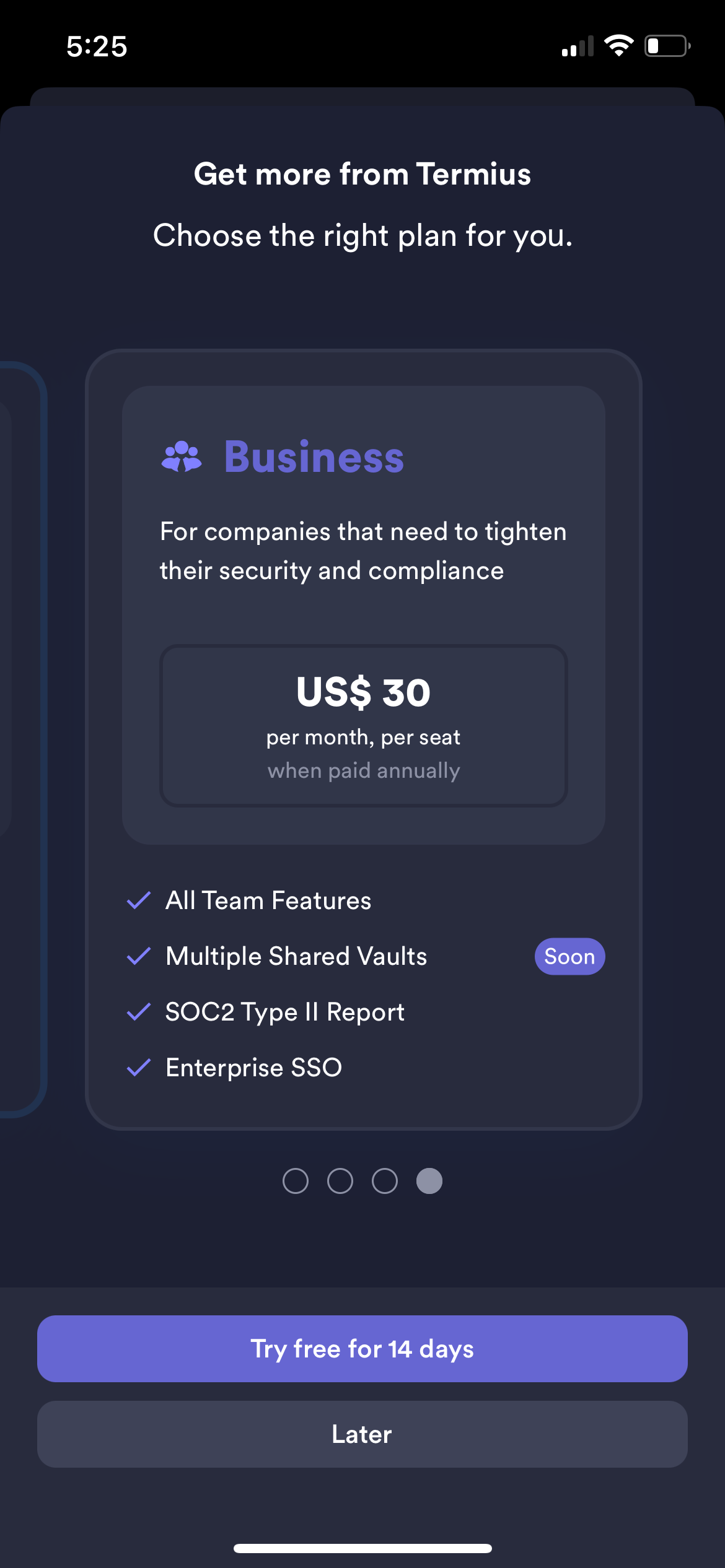
Termius1170 × 2532opens the full image 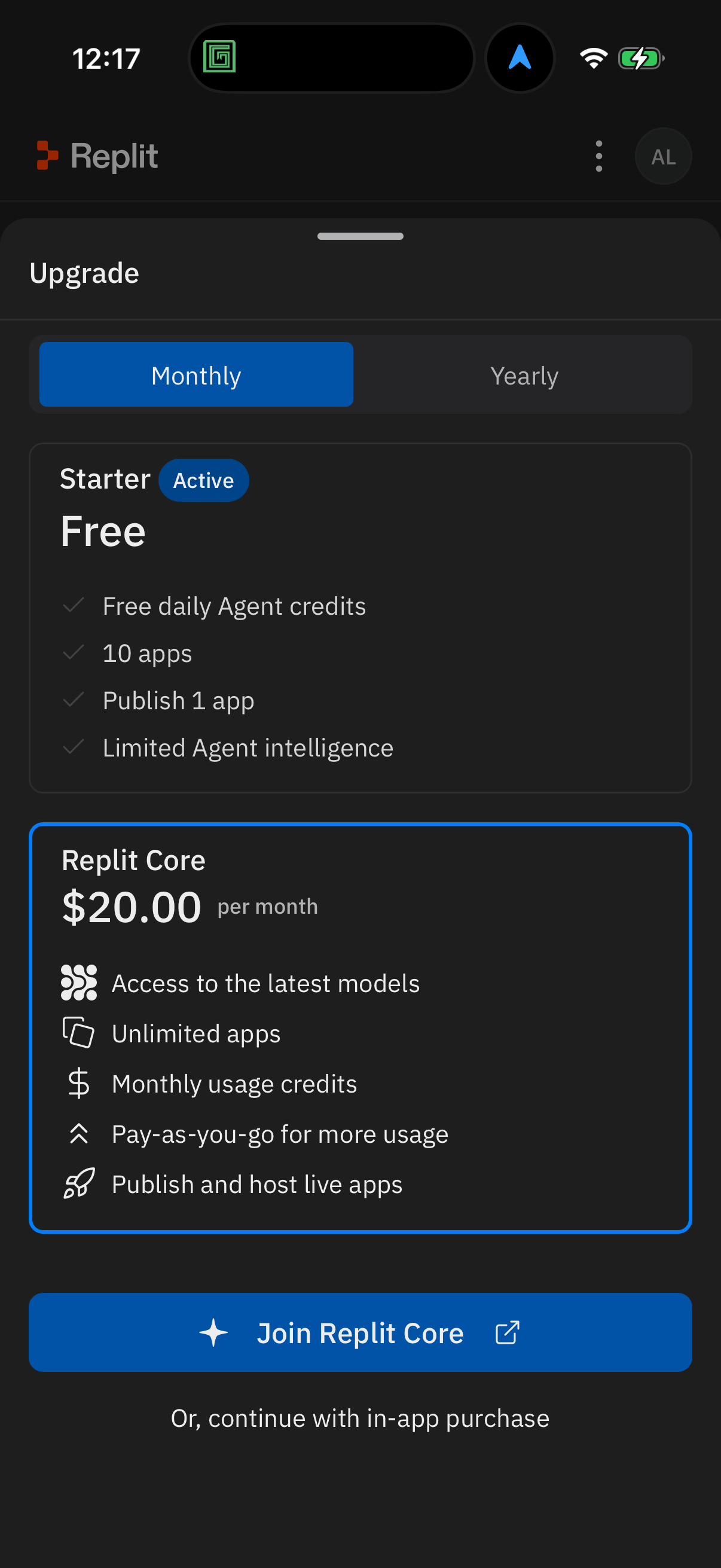
Replit1206 × 2622opens the full image 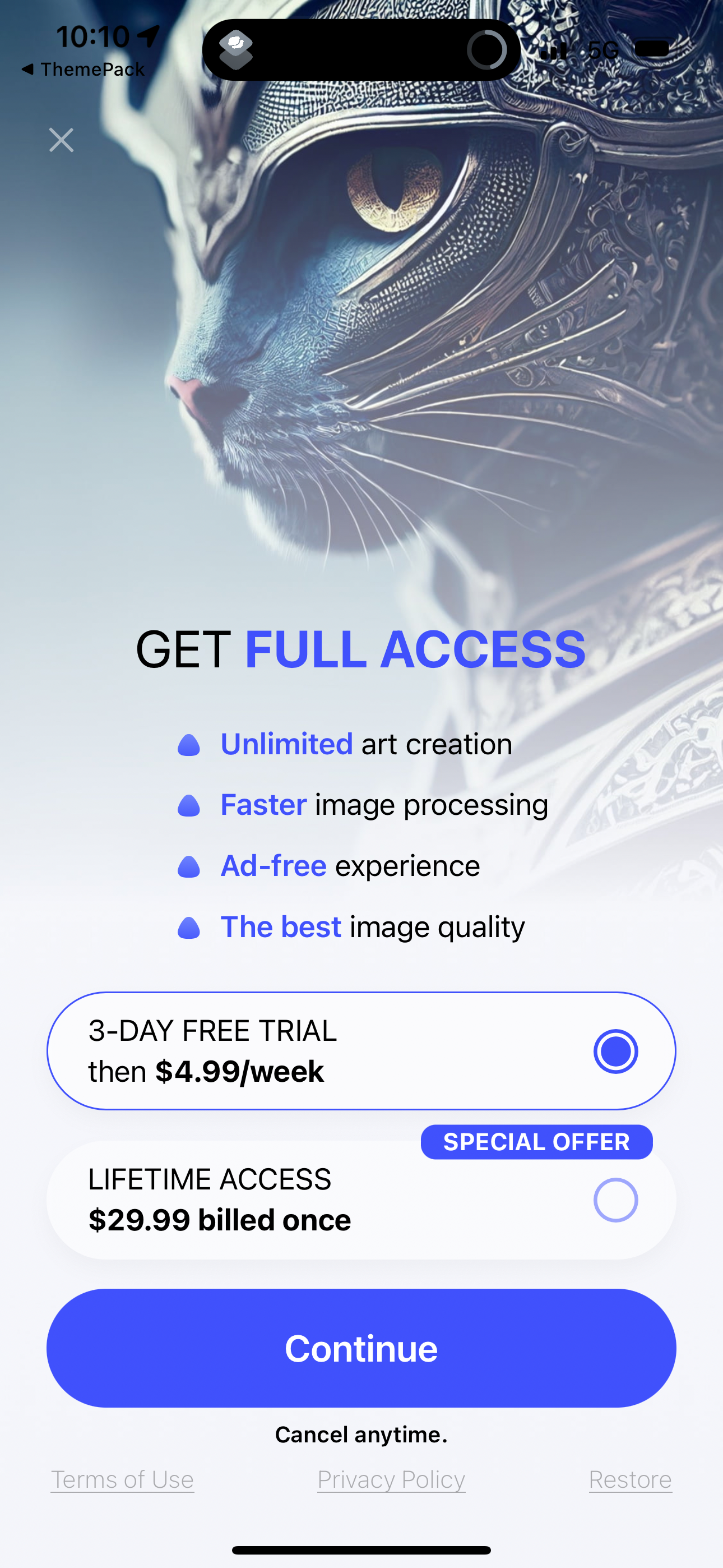
Ai Arta1290 × 2796opens the full image 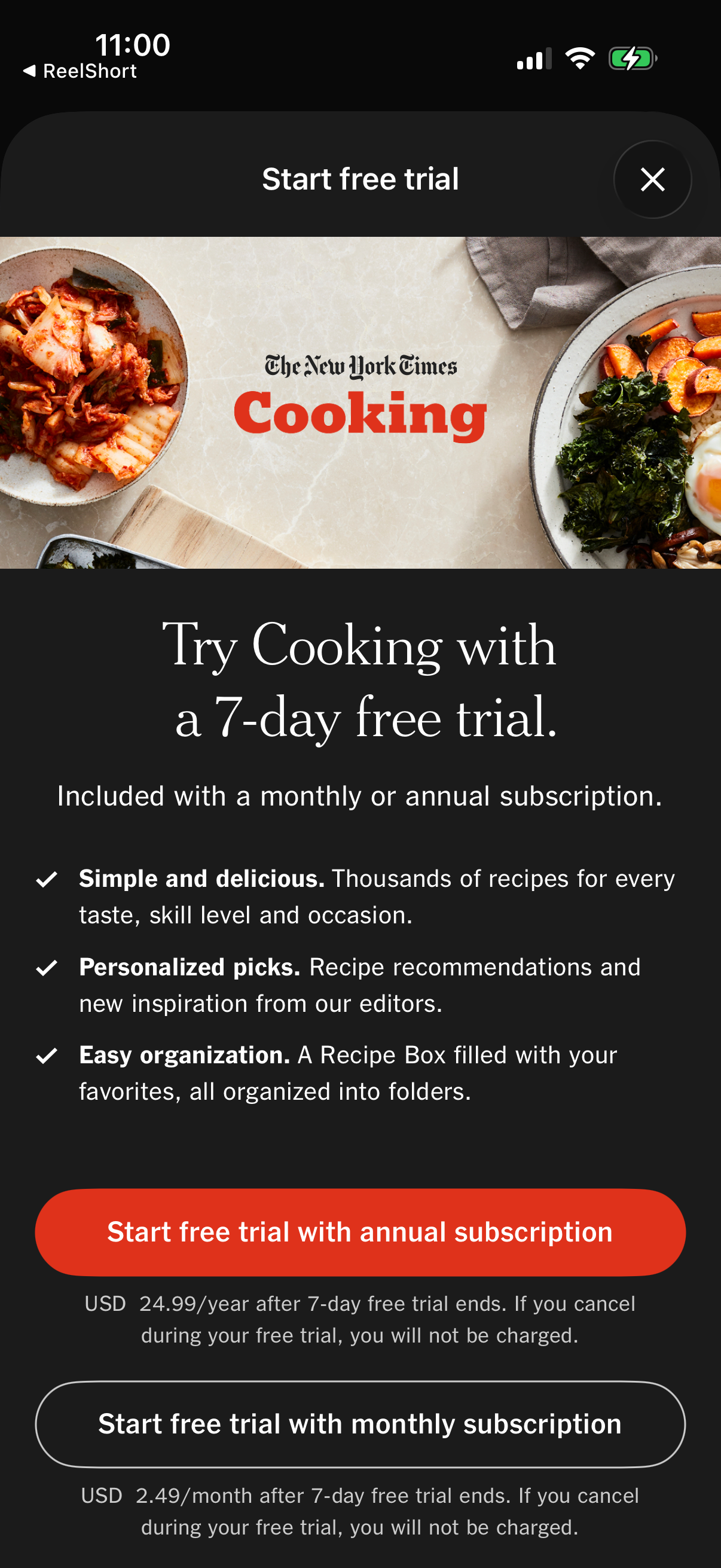
Nyt Cooking1206 × 2622opens the full image
The numbers
| # | Stat | Computed from |
|---|---|---|
| [1] | 795 | Total detected paywall CTA changes. |
| [2] | 381 (48%), 114 cos | Price-display theme. |
| [3] | 249 (31%), 80 cos | Trial-wording theme. |
| [4] | 104 (13%), 48 cos | CTA-verb theme. |
| [5] | 87 (11%), 44 cos | Plan-order/preselection theme. |
| [6] | 69 (9%), 31 cos | Urgency/scarcity theme. |
| [7] | 33, 22 cos | Social-proof-near-CTA theme. |
| [8] | 18, 15 cos | Reassurance-copy theme. |
Methodology
Universe: 795 detected paywall CTA changes across 146 companies, July 2026. Extraction: regex theme tagging over LLM-written change text; a change may match several themes. Key caveat: mention counts on detected diffs, not measured A/B outcomes.
Sources
- [1]
Lazyweb Research analysis of 795 detected paywall CTA changes (146 companies, themes tagged by regex over change text), July 2026
Detected before/after UI diffs with LLM-inferred rationale (the 'learning' field), not measured A/B outcomes. Some cta_text rows contain descriptive annotations rather than pure button copy; theme tags are regex-over-LLM-text and approximate.
Source: Lazyweb Research — proprietary analysis of real, in-market app screens. Cite as Lazyweb Research, 2026-07-07.