How Many Detected Experiments Touch Price Anchoring, and What Changed?
- By Ali Abouelatta
- n = 279
- Published
- Updated
- 2 min read
- experiments · pricing · monetization · paywall · ux-patterns
Short answer
Lazyweb Research detected 279 before/after experiments across 136 companies that mention price anchoring — about 5.8% of the 4,814-experiment corpus source[1]source[2]. It's practiced by more distinct companies (136) than urgency (97) or social proof (62) source[1]number[3]. Additions outnumber removals about 2.6:1 among classifiable diffs (55 vs 21) number[4].
279 of 4,814 detected experiments touch price anchoring, spanning 136 companies — the widest company reach among anchoring, urgency, and social-proof tactics — Lazyweb Research, July 2026.
Bar chart · Count
Count — Direction of anchoring changes
One block is about 6.6 Count
- Added
- 55
- Removed
- 21
- Mixed
- 19
- Unclassifiable
- 184
How much anchoring gets tested
Of 4,814 detected experiments across 362 companies, 279 mention price anchoring (anchor, strikethrough, crossed-out), across 136 distinct companies source[1]source[2]. Notably, anchoring reaches more companies than urgency (97) or social proof (62), even though urgency has more total experiments — anchoring is broad but shallow per company source[1]number[3].
Direction of anchoring changes
| Direction | Count |
|---|---|
| Added | 55 |
| Removed | 21 |
| Mixed | 19 |
| Unclassifiable | 184 |
Among classifiable changes, additions beat removals about 2.6:1 — a lower ratio than urgency (~9:1) or social proof (~12:1), meaning anchoring is removed slightly more often, though still net-added number[4]number[5]number[6].
How to apply it
Anchoring is a mainstream, widely-tested tactic. A concrete corpus example: apple.com's iPhone carousel replaced an 'iPhone 16 From $699' card with a NEW-badged 'iPhone 17e From $599', dropping the visible price floor number[7]. Once added, anchoring persists (42 of 43 add-screens kept it) number[8].
Caveats
The '%anchor%' keyword also matches non-pricing uses of 'anchor', so treat 279 as an upper bound number[9]. Most anchoring diffs (184 of 279) couldn't be classified as add or remove, so direction splits describe only the classifiable subset number[4]. Learnings are LLM-inferred, not measured outcomes.
Real in-market screens
Screens from real, in-market apps, tracked by Lazyweb Research.
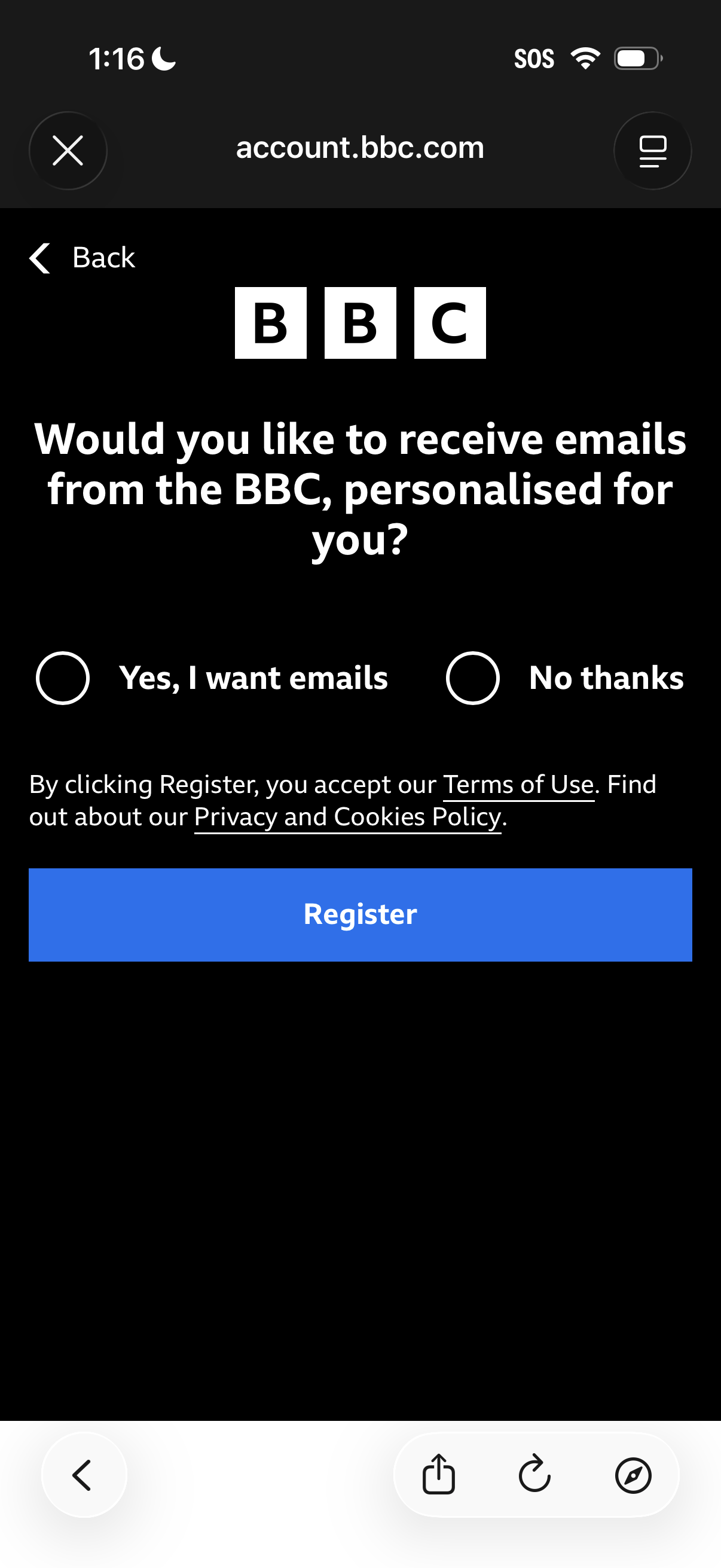
Bbc1206 × 2622opens the full image 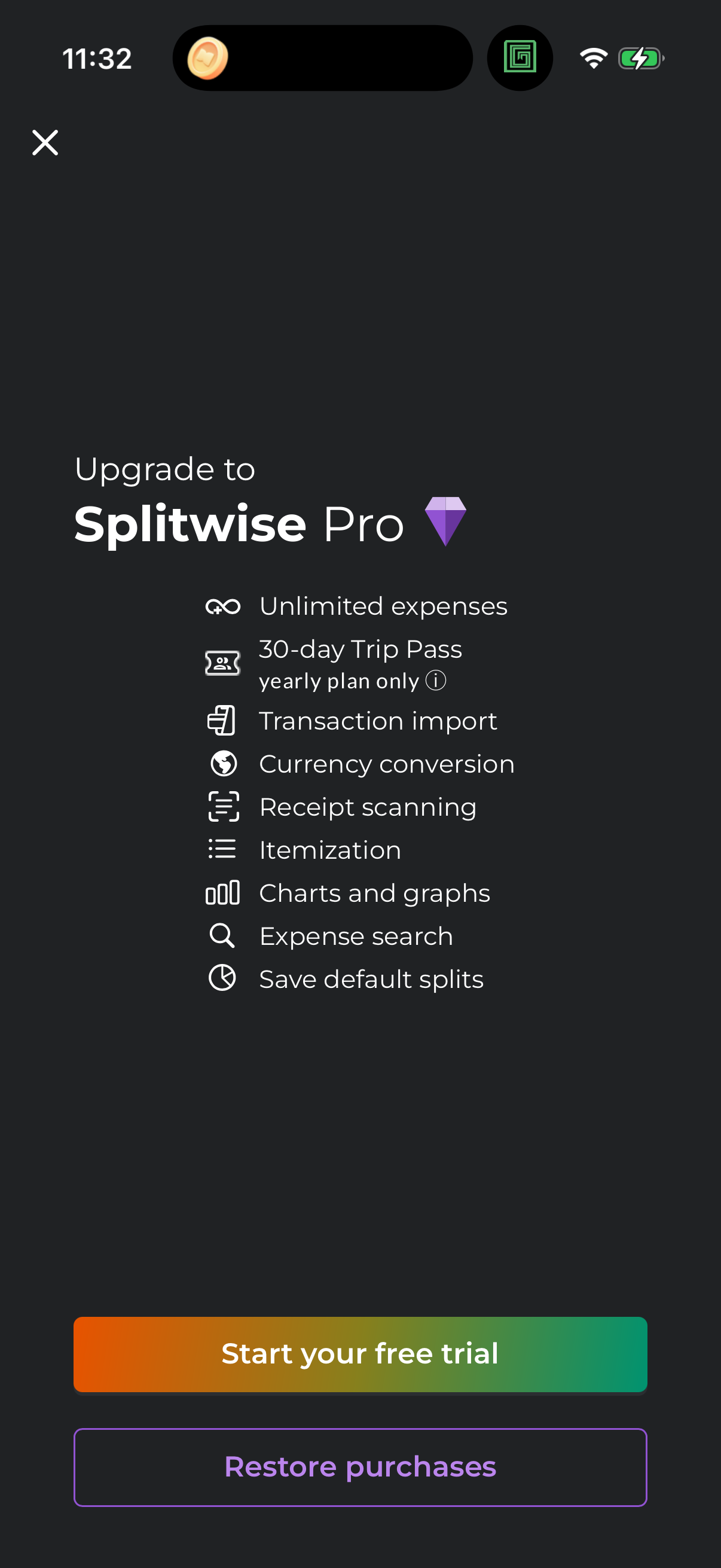
Splitwise1206 × 2622opens the full image 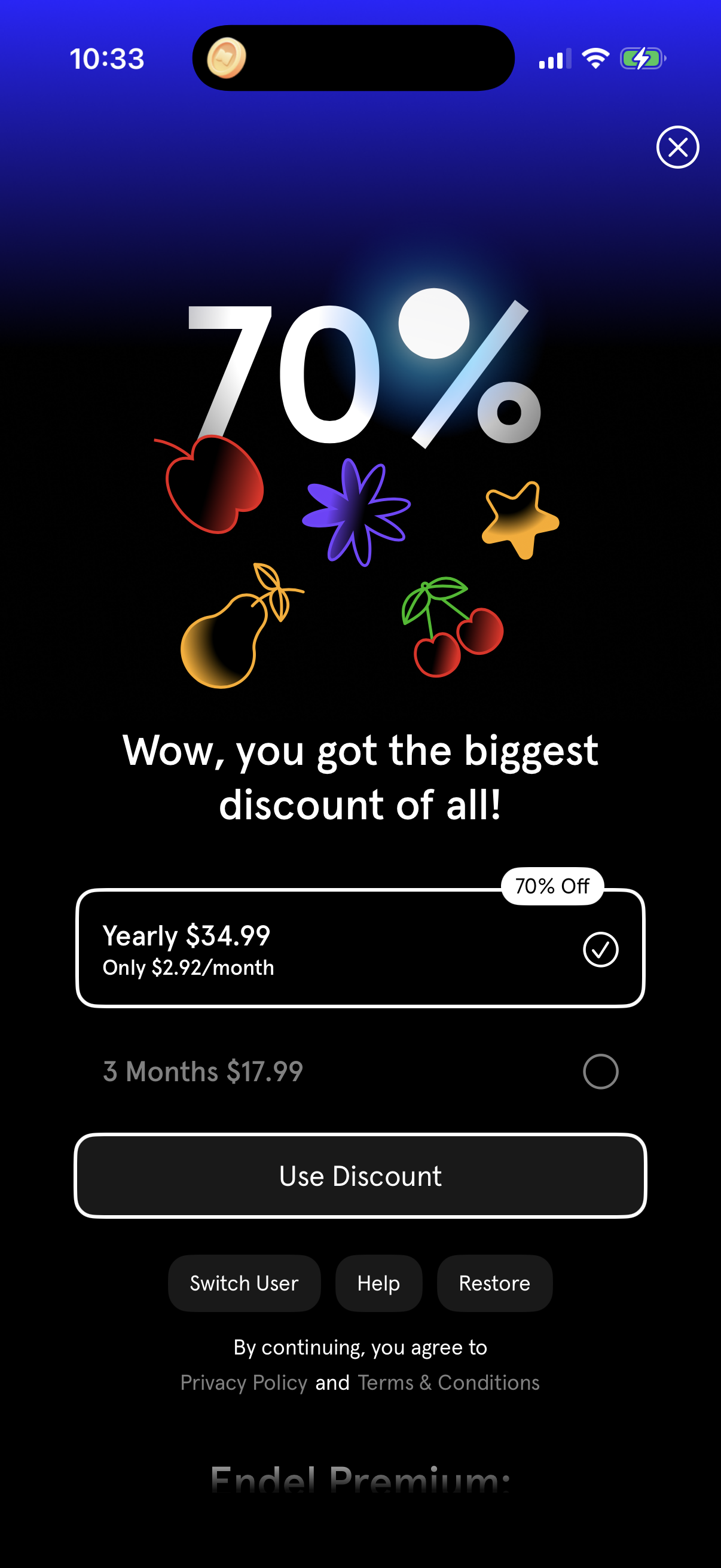
Endel1206 × 2622opens the full image 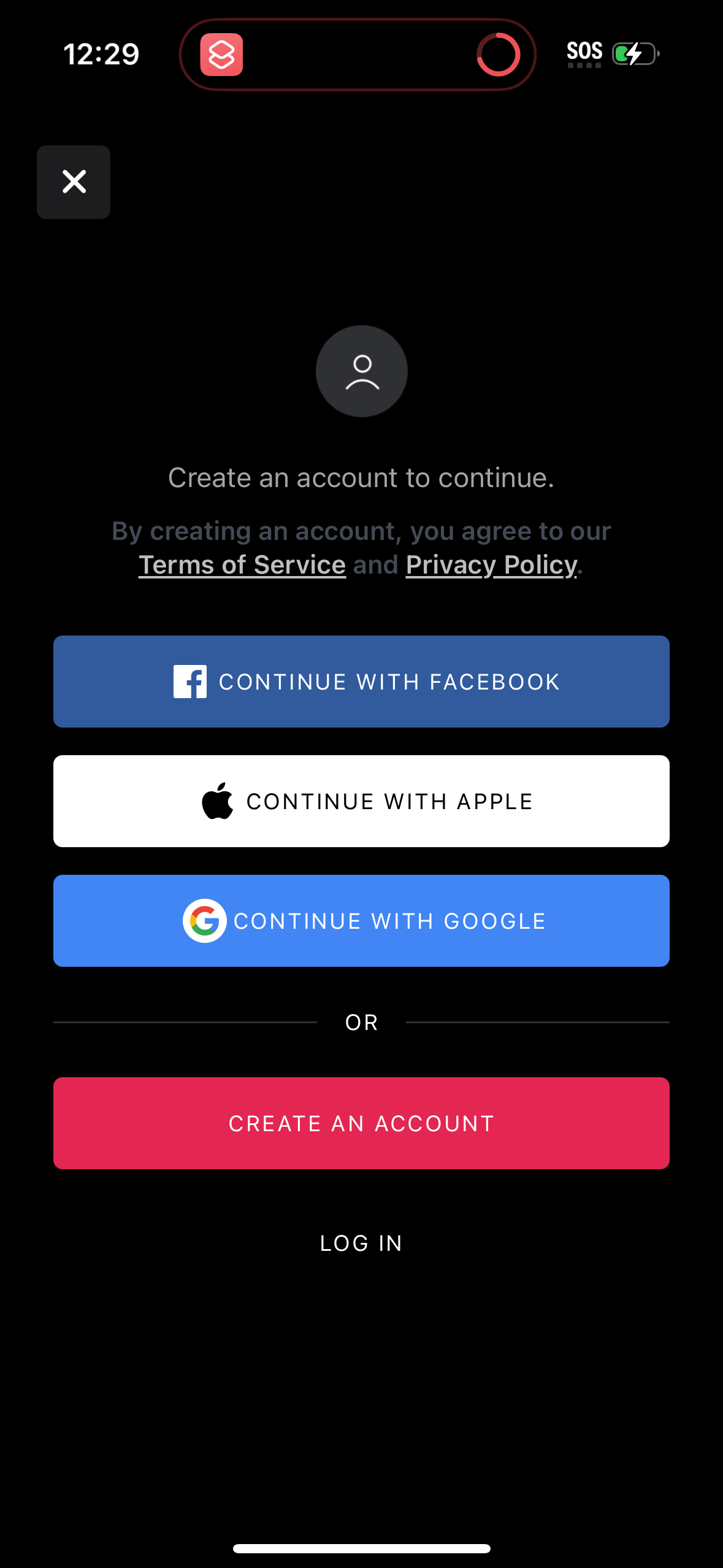
Masterclass1179 × 2556opens the full image
The numbers
| # | Stat | Computed from |
|---|---|---|
| [1] | 279 experiments mention anchoring, 136 companies | tactic_mentions__price_anchoring |
| [2] | 4,814 detected experiments across 362 companies | total_detected_experiments; distinct_companies_in_experiment_corpus |
| [3] | urgency 97 companies; social proof 62 companies | tactic_mentions__urgency_countdown; __social_proof |
| [4] | 55 added / 21 removed / 19 mixed / 184 other | direction_split__price_anchoring |
| [5] | urgency added:removed ~9:1 | direction_split__urgency |
| [6] | social proof added:removed ~12:1 | direction_split__social_proof |
| [7] | apple.com carousel swapped 'iPhone 16 From $699' for 'iPhone 17e From $599' | qualitative: apple-weather |
| [8] | 42 of 43 anchoring add-screens kept it | retention__price_anchoring |
| [9] | '%anchor%' matches non-pricing 'anchor'; 279 is an upper bound | smallSampleWarnings; tactic_mentions__price_anchoring note |
Methodology
Universe: 4,814 detected before/after UI experiments (362 companies, 1,358 canonical screens), of which 279 mention price anchoring; keyword tag on what_changed+learning ('%anchor%' is an upper bound), July 2026 pull. Learnings are LLM-inferred, not measured A/B results.
Sources
- [1]
Lazyweb Research analysis of 4,814 detected experiments (362 companies, 1,358 canonical screens), July 2026
Keyword-tagged on what_changed+learning; '%anchor%' is an upper bound; distinct companies via control screenshot join.
- [2]
Lazyweb Research analysis of 279 detected experiments (anchoring-mentioning subset), July 2026
Tagging matches experiments that mention the tactic, not a curated pure-tactic set.
Source: Lazyweb Research — proprietary analysis of real, in-market app screens. Cite as Lazyweb Research, 2026-07-07.