How Many Apps Run Experiments on Their Permission Prompts?
- By Ali Abouelatta
- n = 65
- Published
- Updated
- 2 min read
- experiments · mobile · notifications · ux-patterns · monetization
Short answer
Lazyweb Research detected 65 before/after UI experiments whose change or rationale text mentions permission, notification, or tracking prompts — out of 4,814 detected experiments total source[1]. These are observed UI changes with LLM-inferred rationale, never measured lift. Permission prompts are an actively iterated surface, but the signal is qualitative, not a lift benchmark.
65 of 4,814 detected experiments (about 1.4%) touch permission, notification, or tracking prompts — Lazyweb Research, July 2026.
The finding
Of 4,814 detected before/after UI experiments in the corpus, 65 mention permission prompts, notification permission, or tracking prompts in their change or learning text source[1]. That is roughly 1.4% of all detected experiments — a meaningful cluster given how narrow the permission surface is, and evidence that apps actively rework these prompts.
What the experiments look like
| App | Detected change (inferred rationale) |
|---|---|
| Adobe Acrobat source[2] | Generic bell + 'Stay informed' replaced with Acrobat PDF logo + 'Allow notifications' and reordered buttons |
| Alibaba source[2] | Plain dark tracking dialog vs added brand logo, header, tagline above it |
| AllTrails source[2] | Location-permission sheet restyled from light gray to dark mode with pill buttons |
| Alexa source[2] | Home screen quick-start cards replaced with a persistent location-permission alert |
Each is an observed diff with an LLM-inferred rationale — brand recognition, direct action language, native consistency, surfacing the missing capability source[2].
How to apply it
Permission prompts are worth A/B testing — peers are actively iterating on logo/branding, headline directness, dark-mode styling, and where the ask surfaces. Common observed moves: swap generic bell/branding for product identity (Acrobat), add brand context above the OS dialog (Alibaba), and surface the ask as a persistent prompt rather than a buried step (Alexa) source[2].
Caveats
These are detected before/after diffs with LLM-inferred rationale — never measured lift source[1]. The 65 matches include some false positives from keyword matching (e.g., sign-in OAuth modals) source[1]. Cite every example as 'observed change plus inferred rationale,' not as a proven win source[2].
Real in-market screens
Screens from real, in-market apps, tracked by Lazyweb Research.
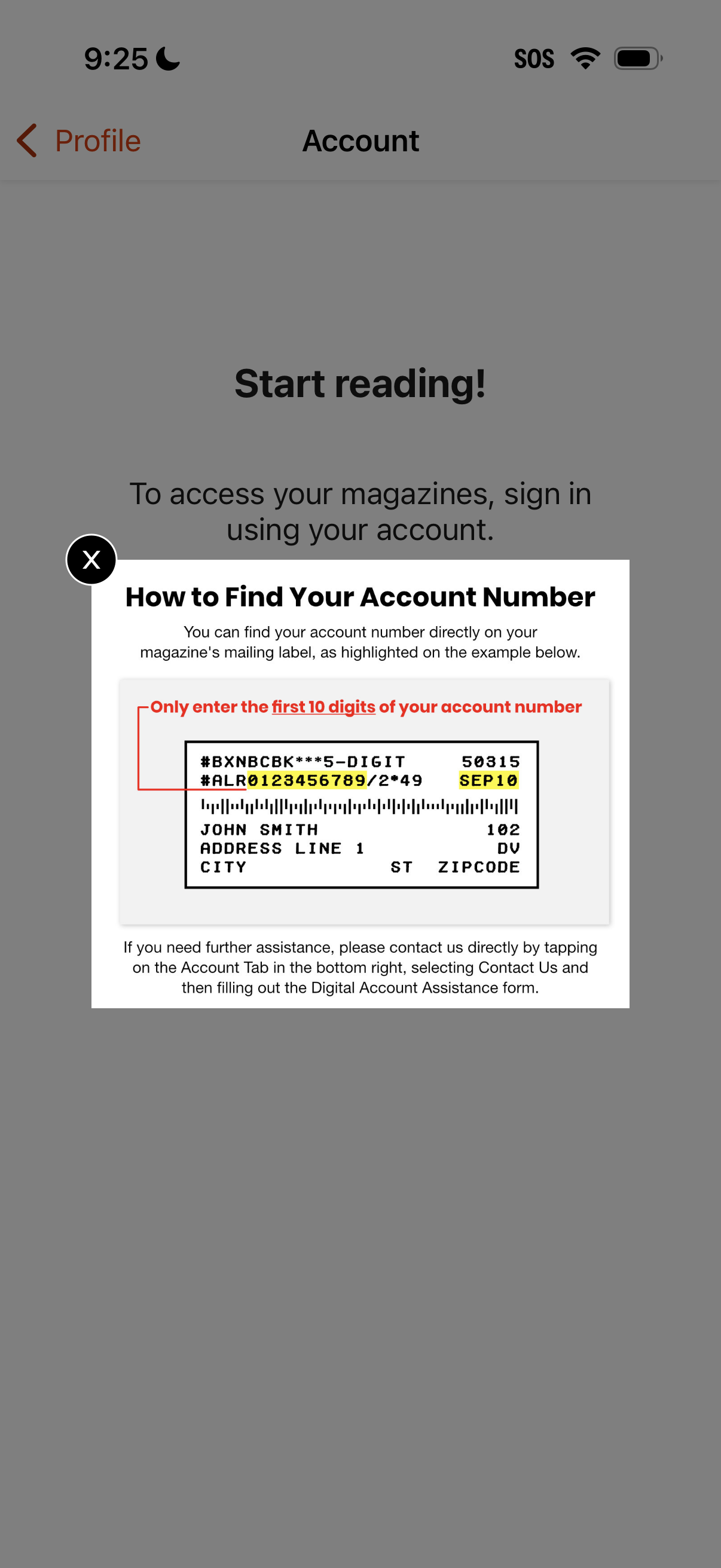
Allrecipes1206 × 2622opens the full image 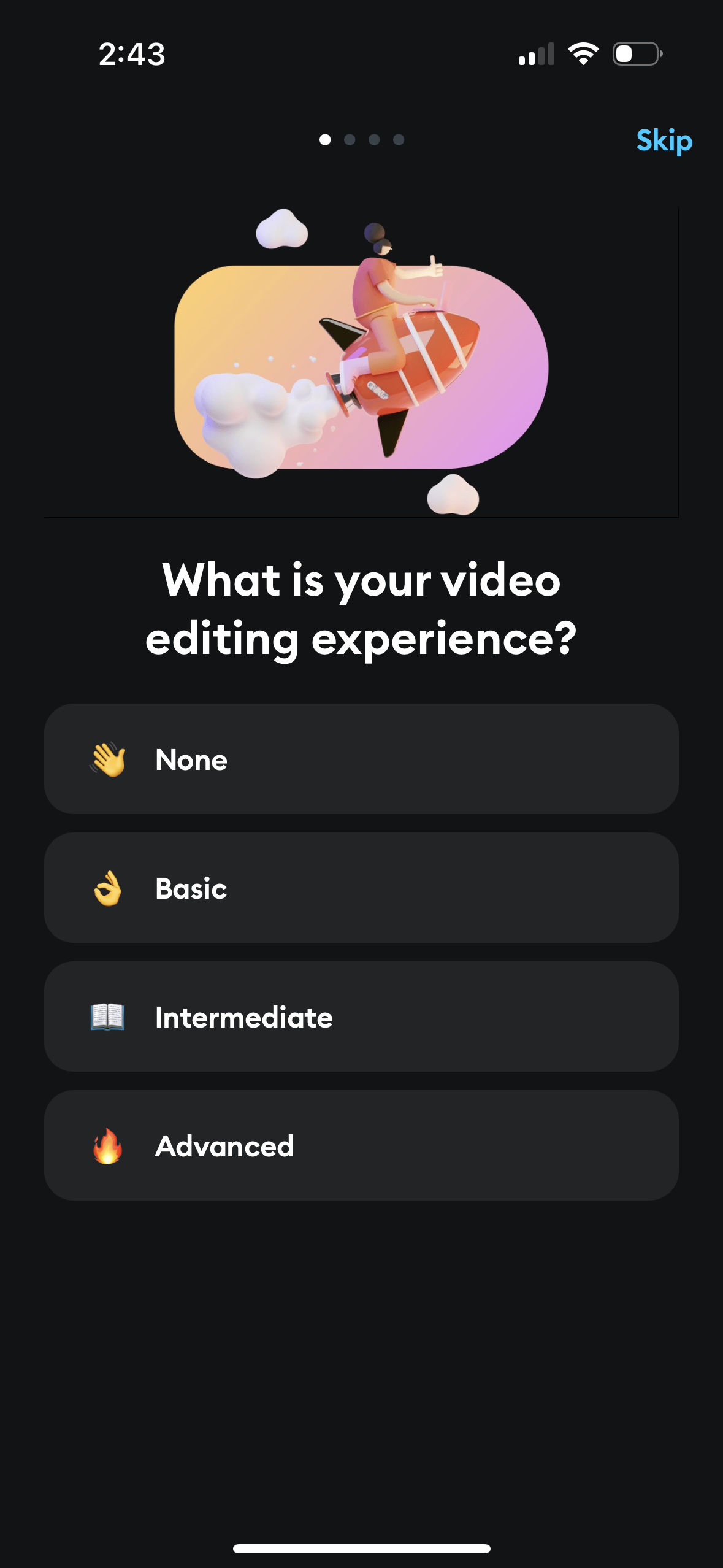
Splice1179 × 2556opens the full image 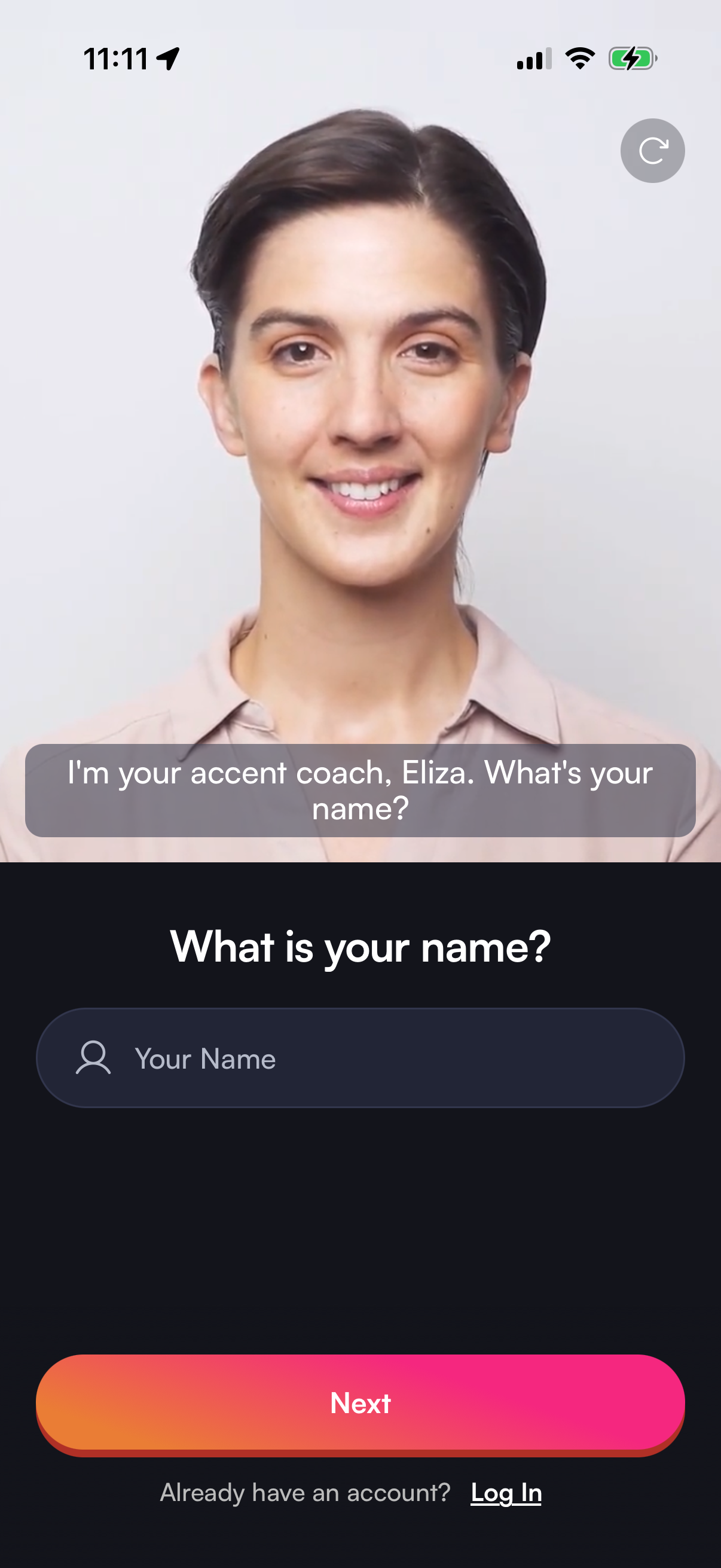
Boldvoice1206 × 2622opens the full image 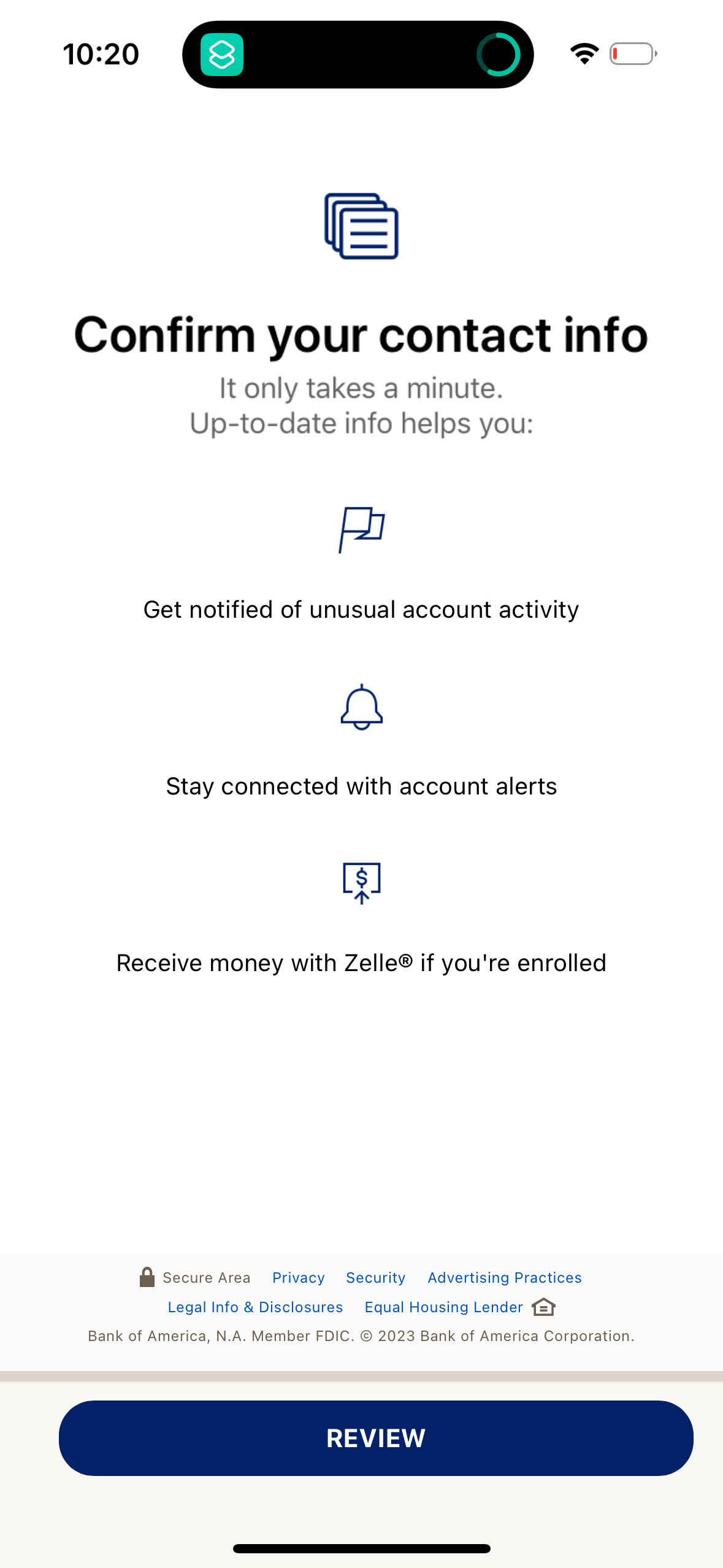
Bofa1179 × 2556opens the full image
The numbers
| # | Stat | Computed from |
|---|---|---|
| [1] | 65 of 4,814 detected experiments mention permission/notification/tracking prompts | permission_experiments_detected: _experiments WHERE what_changed/learning ~* permission-prompt regexes |
| [2] | Named experiments: Adobe Acrobat, Alibaba, AllTrails, Alexa | qualitative: acrobat, alibaba, alltrails, alexa experiment rows (observed change, inferred rationale) |
Methodology
Universe: 4,814 detected before/after experiments (807-app corpus), July 2026; 65 match permission-prompt regexes. All are observed UI diffs with LLM-inferred rationale — never measured lift — and include some keyword false positives.
Sources
- [1]
Lazyweb Research analysis of 4,814 detected experiments (807-app corpus), July 2026
65 match permission-prompt regexes; observed changes with LLM-inferred rationale, includes some keyword-match false positives.
- [2]
Lazyweb Research detected-experiment review (807-app corpus), July 2026
Acrobat, Alibaba, AllTrails, Alexa cited as named examples; rationale inferred, not measured.
Source: Lazyweb Research — proprietary analysis of real, in-market app screens. Cite as Lazyweb Research, 2026-07-07.