Dark or Light: What Background Do Mobile Paywalls Actually Use?
- By Ali Abouelatta
- n = 1,107
- Published
- Updated
- 2 min read
- paywall · design · monetization · mobile · ux-patterns
Short answer
Across 1,107 mobile paywall screens with a classified background in Lazyweb's corpus, 70.9% use a dark background, 19.1% light, and 10.0% colored or othersource[1]. Dark is the clear default for paywalls, but the split varies sharply by category. Treat dark as the safe convention and light as a deliberate, brand-led exception rather than the norm.
70.9% of 1,107 classified mobile paywalls use a dark background vs 19.1% light (Lazyweb Research, July 2026).
The finding
Of 1,204 canonical paywall screens with a vision description, 1,107 had a classifiable background fieldsource[1]. Dark backgrounds dominate at 785 screens (70.9%), light at 211 (19.1%), and colored/other at 111 (10.0%)source[1]. The remaining 97 canonicals lacked a background field and are excluded from the percentagessource[2]. So among paywalls where we can read the background, dark outnumbers light nearly 4 to 1.
How to apply it
If you are shipping a paywall with no strong brand reason to go light, dark is the convention your users have been trained on: roughly 7 in 10 paywalls they have seen are dark. Light backgrounds cluster in specific verticals (see the Health & Fitness cut, where the split narrows to 56% dark). Use light when your brand system is light-first and the paywall must feel continuous with the rest of the app, not because it converts better in the abstract.
Caveats
Background is read from a single representative screenshot per canonical (latest with vision JSON), classified from the vision 'background' fieldsource[2]. The field is missing on 97 of 1,204 described paywalls, so the denominator is 1,107, not the full 1,297 corpussource[1]. This is a structural/aesthetic census, not an outcome measurement: we are not claiming dark converts better, only that it is far more common.
Real in-market screens
Screens from real, in-market apps, tracked by Lazyweb Research.
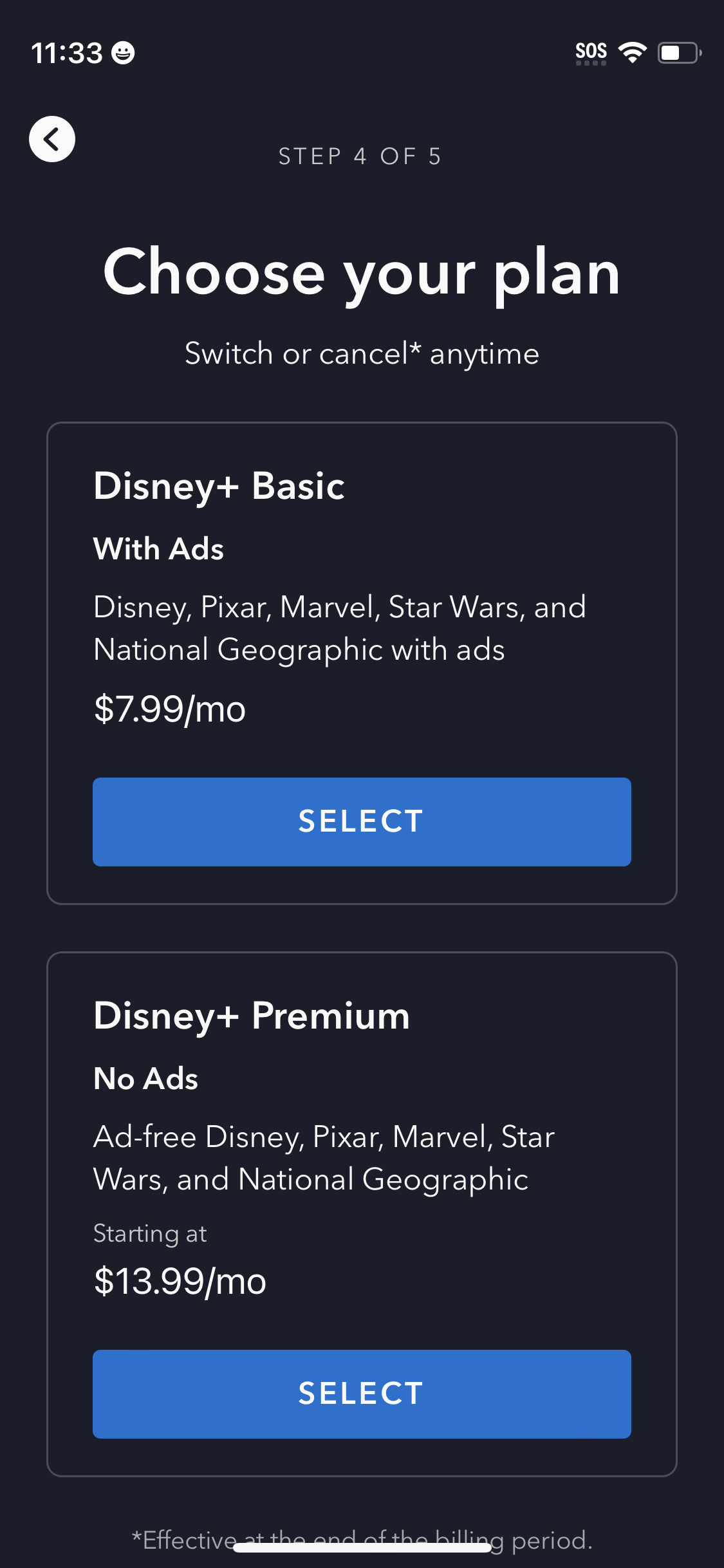
Disney1125 × 2436opens the full image 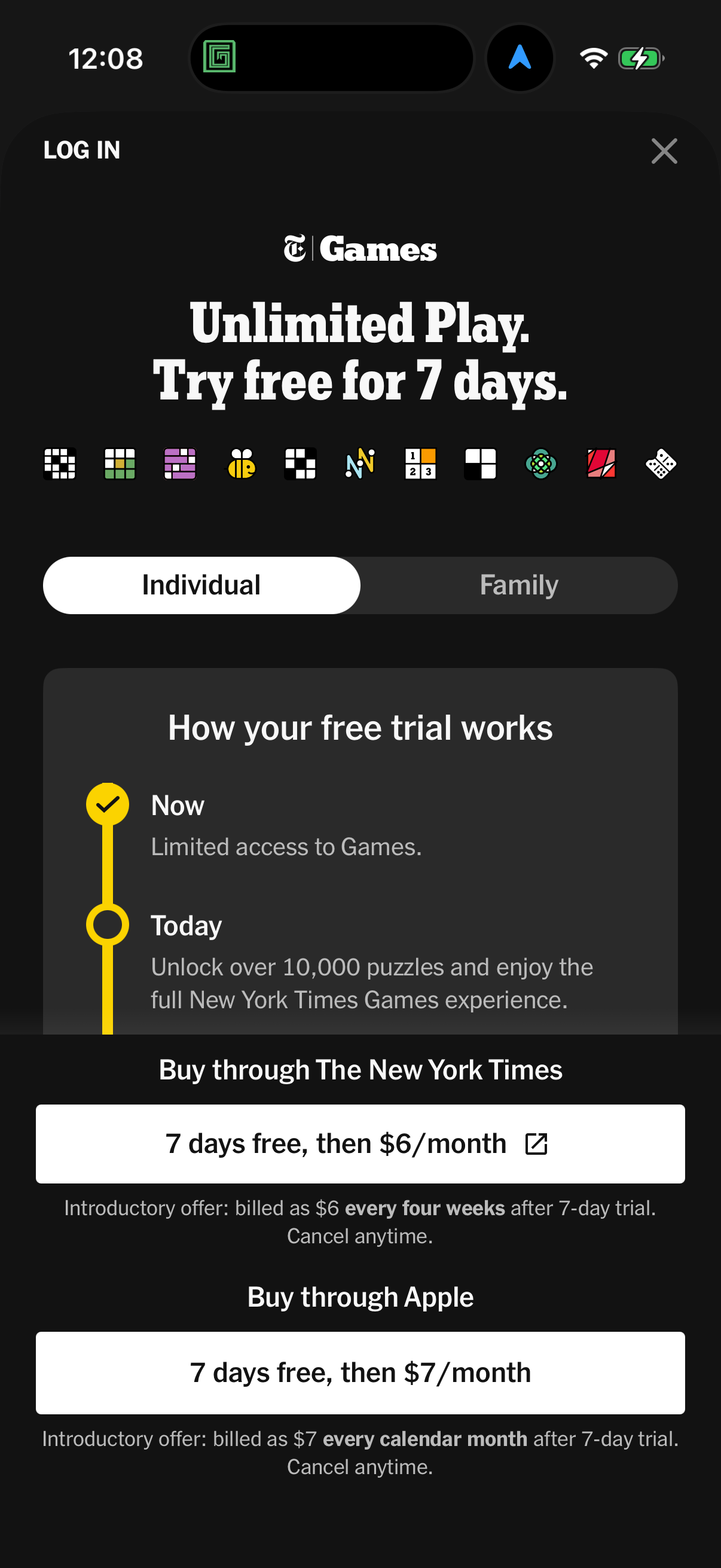
Nyt Games1206 × 2622opens the full image 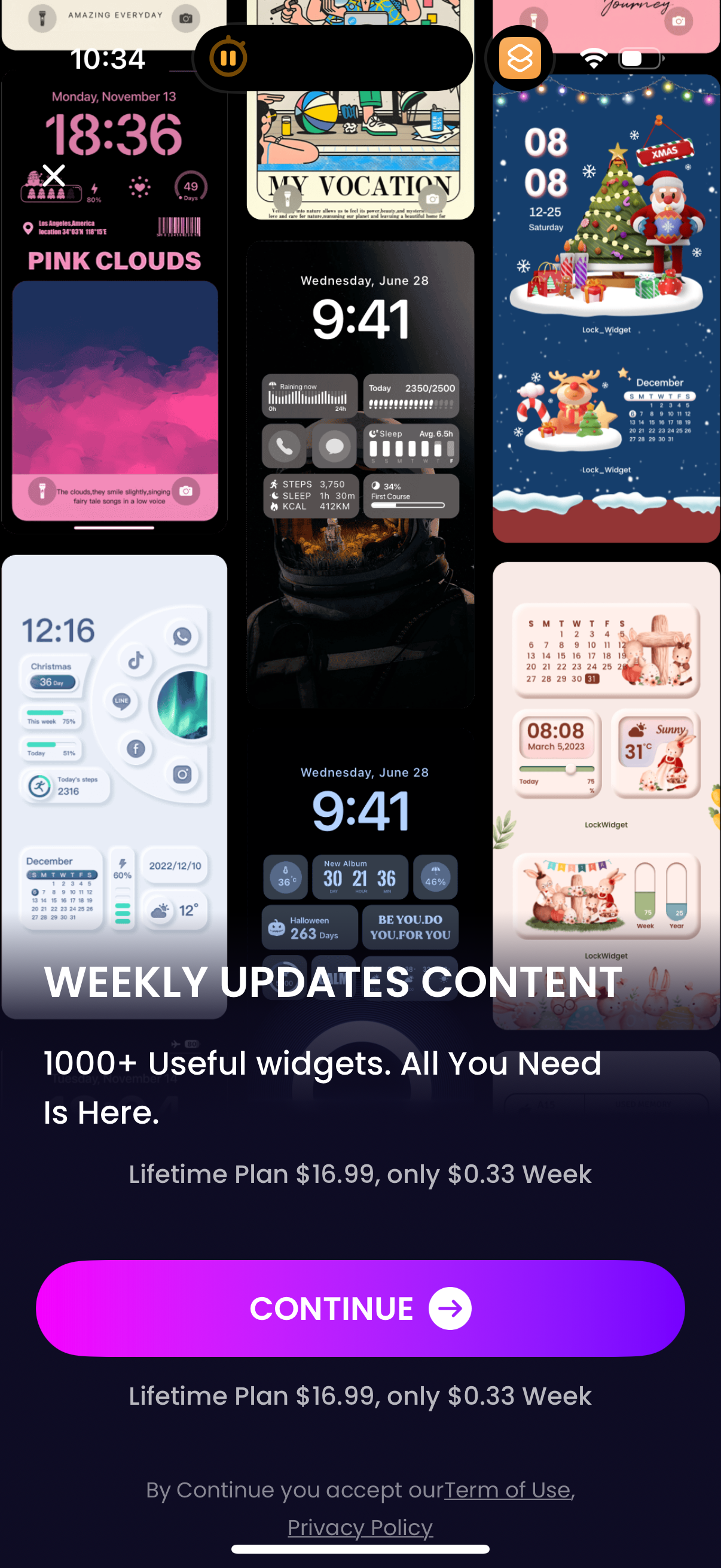
Lockwidget1206 × 2622opens the full image 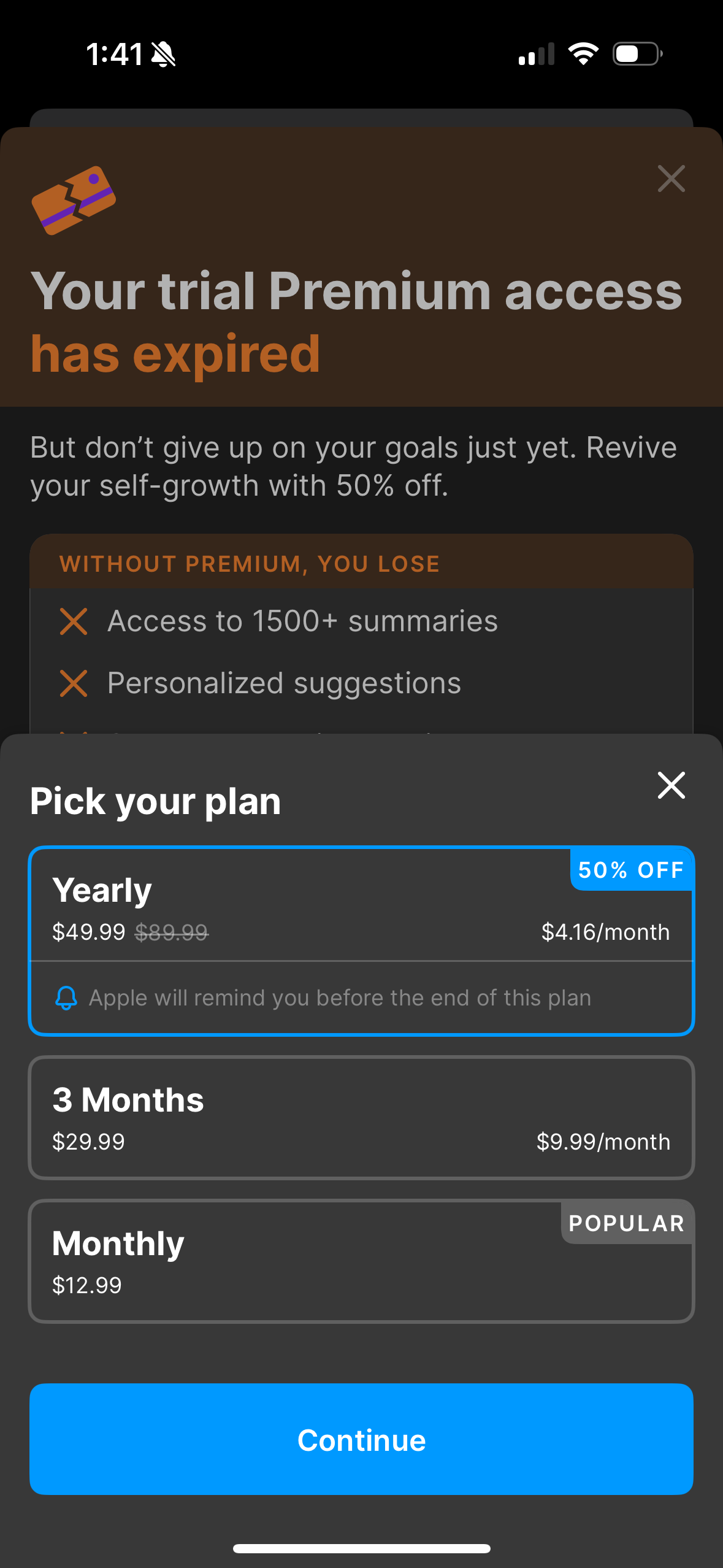
Headway1179 × 2556opens the full image
The numbers
| # | Stat | Computed from |
|---|---|---|
| [1] | dark 785 (70.9%), light 211 (19.1%), other 111 (10.0%) of 1,107 classified | dark_vs_light_overall: representative screenshot per canonical, background field from vision JSON |
| [2] | 1,204 described paywalls; 97 lack a background field; 1,107 classified | dark_vs_light_overall denominator note |
Methodology
Universe: 1,204 canonical paywall screens with a vision description across ~800 tracked apps; background classified from the vision JSON background field on one representative screenshot per canonical, July 2026. Caveat: 97 canonicals lack the field and are excluded from percentages.
Sources
- [1]
Lazyweb Research analysis of 1,107 classified paywall screens (~800 tracked apps), July 2026
One representative screenshot per sc_canonical_id, background classified from the vision_description_json background field.
- [2]
Lazyweb Research analysis of 1,204 described paywall screens (~800 tracked apps), July 2026
Background field present on 1,107 of 1,204 canonicals with a vision description.
Source: Lazyweb Research — proprietary analysis of real, in-market app screens. Cite as Lazyweb Research, 2026-07-07.