What share of tracked apps actually show a display or banner ad?
- By Ali Abouelatta
- n = 751
- Published
- Updated
- 2 min read
- monetization · mobile · ux-patterns · design
Short answer
146 of 751 tagged apps (19%) show a display, banner, or interstitial ad on at least one captured screen source[1]. That is roughly one in five apps in the corpus, a lower bound based on which apps happened to have an ad screen captured. Note this is separate from the 176 apps tagged with an advertising business model.
19% of tagged apps (146 of 751) show a display, banner, or interstitial ad on a captured screen, July 2026.
The finding
Measuring display-ad prevalence from screenshot tags, 146 of 751 tagged apps (19%) show a banner, interstitial, or display ad on at least one captured screen source[1]. Separately, 176 of ~800 apps carry an Advertising business-model tag source[2]. The two counts differ because business model is an app-level attribute while the 146 figure is evidence of an ad actually appearing in a captured screen.
Why not measure it from the 'Ad' screen category
There are 156 canonical screens categorized 'Ad' plus 43 'Ads Privacy' (199 total), but manual inspection shows the 'Ad' bucket is dominated by in-app promotional and coin-offer pop-ups (for example Webtoon's first-time $5.99 coin bundle), i.e. the app upselling itself, not third-party display inventory source[3]. That is why display-ad prevalence is measured from tags (146 companies), not from the screen category.
Caveats
Tags are LLM synonym phrases matched by pattern (interstitial, banner ad, display ad, advertisement) and deduped by company, so 19% is a lower bound for apps that happen to have a captured ad screen source[1]. Denominator is 751 tagged apps, not 62,376 companies.
Real in-market screens
Screens from real, in-market apps, tracked by Lazyweb Research.
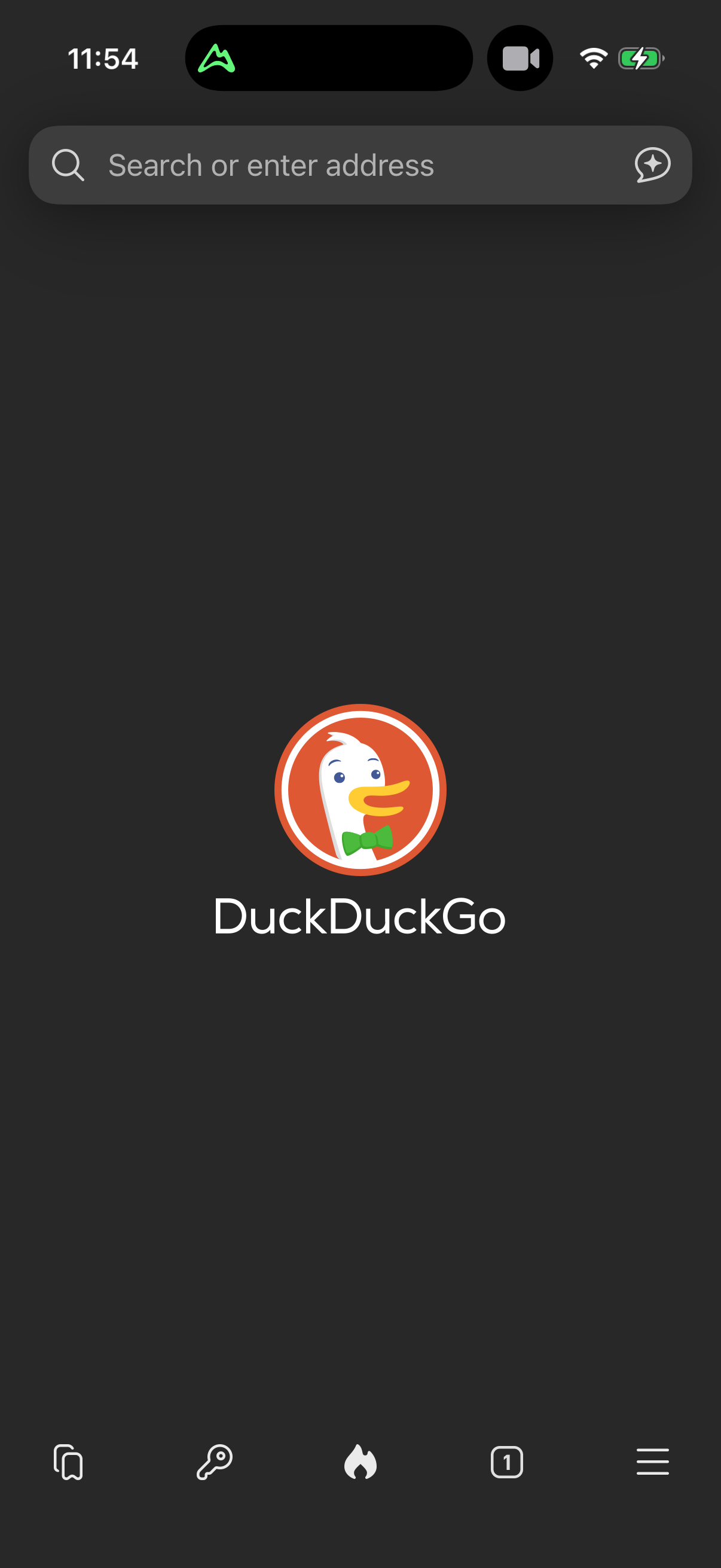
Duckduckgo1206 × 2622opens the full image 
Replit1206 × 2622opens the full image 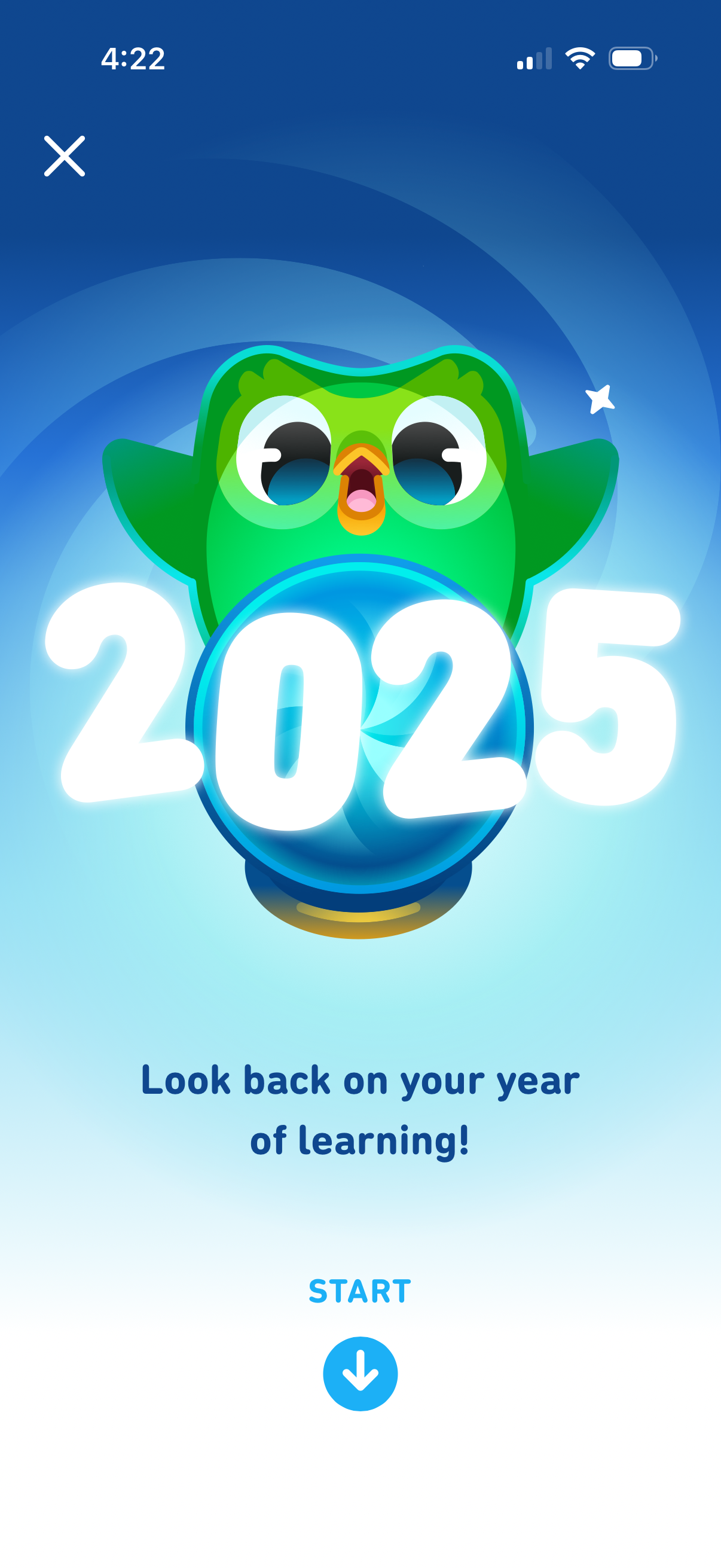
Duolingo1206 × 2622opens the full image 
Any Do1206 × 2622opens the full image
The numbers
| # | Stat | Computed from |
|---|---|---|
| [1] | 146 of 751 tagged apps (19%) show a display/banner/interstitial ad on at least one captured screen | distinct companies with a screenshot tagged interstitial/banner ad/display ad/advertisement |
| [2] | 176 apps run an advertising model | companies with 'Advertising' in business_model, out of ~800 tagged apps |
| [3] | 156 'Ad' + 43 'Ads Privacy' canonical screens (199 total) | sc_canonical joined to screen_category where category is ad or ads privacy, out of 23,407 canonical screens |
Methodology
Universe: 751 tagged mobile apps (display prevalence) and ~800 tracked apps (business model), 23,407 canonical screens. Method: tag pattern-match deduped by company, July 2026. Caveat: tag matches are a lower bound; the 'Ad' screen category is mostly in-app promos, not display ads.
Sources
- [1]
Lazyweb Research analysis of 751 tagged apps (~800 tracked apps), July 2026
Tag-derived display-ad prevalence, deduped by company; a lower bound.
- [2]
Lazyweb Research analysis of ~800 tracked apps (mobile corpus), July 2026
business_model attribute tag = Advertising.
- [3]
Lazyweb Research analysis of 23,407 canonical screens (~800 tracked apps), July 2026
'Ad' category is mostly in-app coin-offer promos, not third-party display; do not equate with display-ad prevalence.
Source: Lazyweb Research — proprietary analysis of real, in-market app screens. Cite as Lazyweb Research, 2026-07-07.