When does positive friction improve retention or conversion?
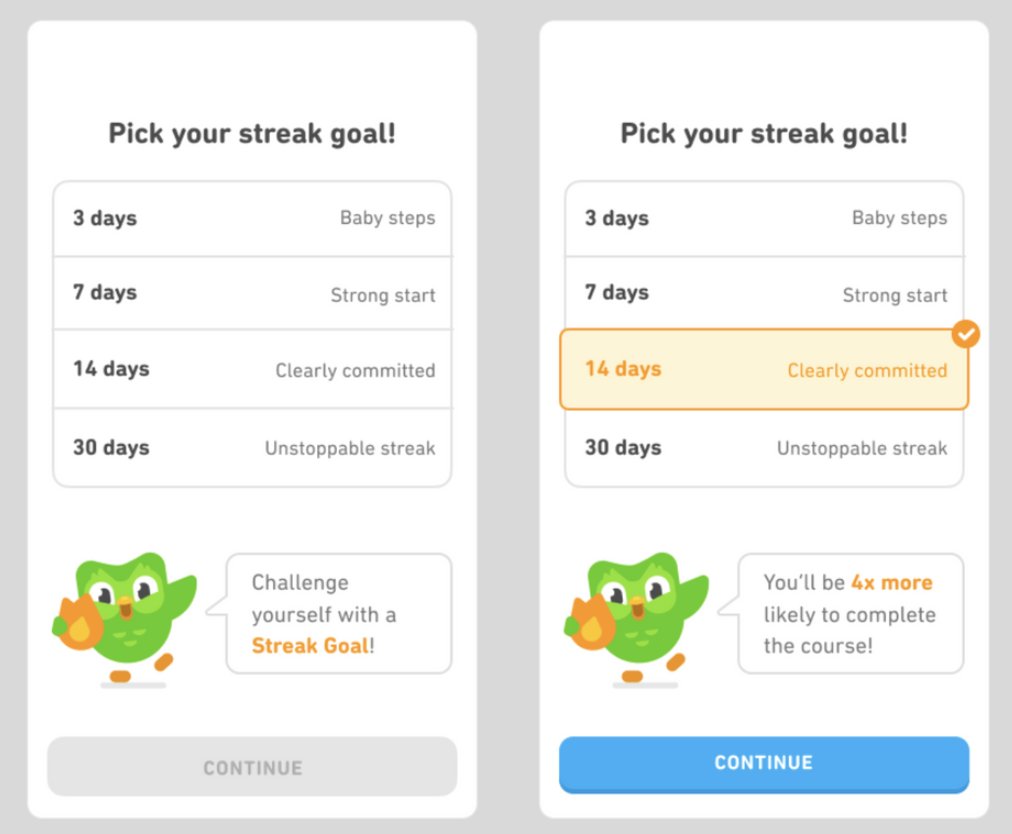
Positive friction works when the added effort also increases perceived value, motivation, or commitment. Ali's examples include Duolingo streak goals, long wellness onboarding flows, and purchase flows that add explicit choice instead of hiding the decision.
- By Ali Abouelatta
- 9 visuals
- 2 min read
- positive friction · onboarding · retention · conversion
The evidence
The issue combines retention, onboarding, and purchase-flow examples to show that more effort can work when it makes the user feel more invested.
What changed
- Duolingo added goal-setting friction at a retention moment.
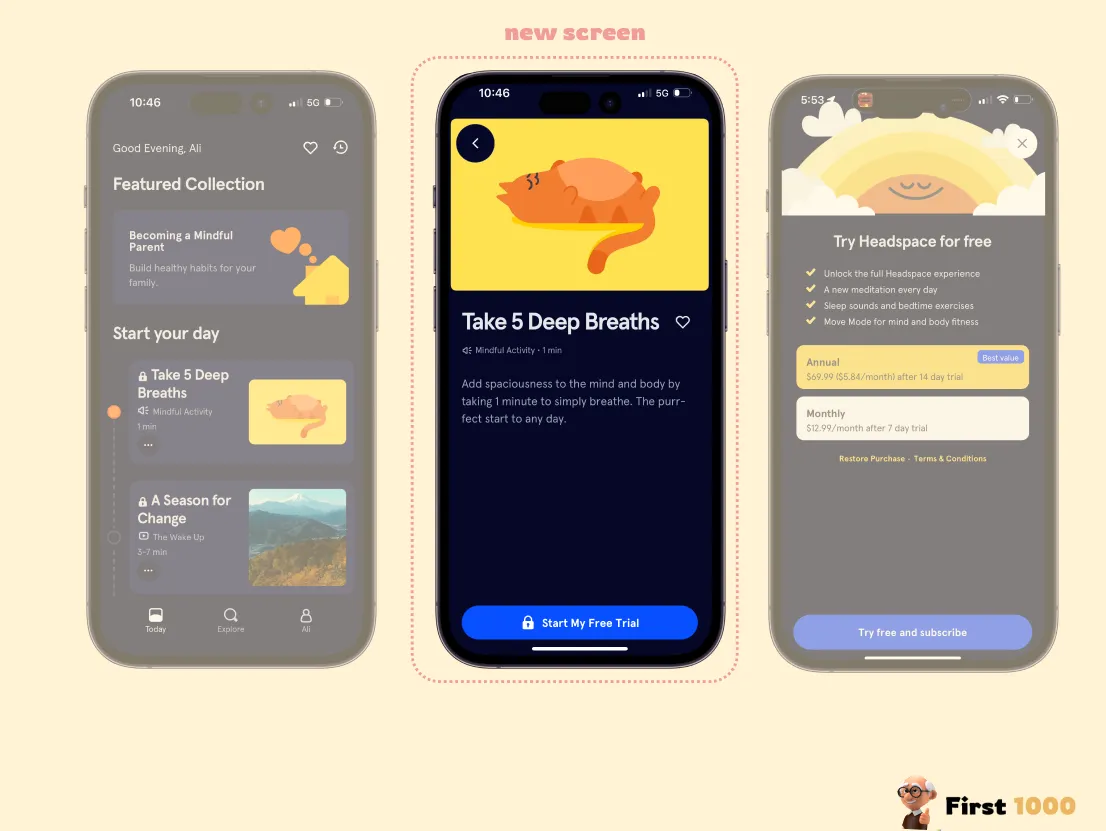
- Wellness apps ask many onboarding questions to make personalization feel valuable.
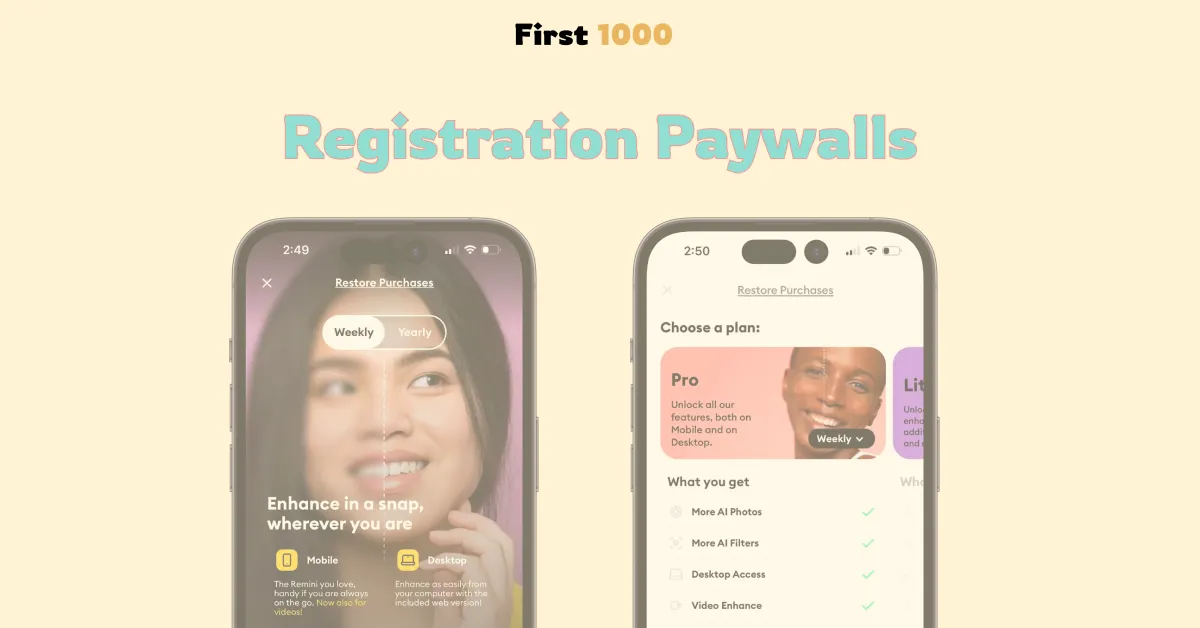
- Purchase flows can add plan choice when the choice itself builds confidence.
Why it matters
- Removing friction is easier than adding it, so added friction needs a clear user-side payoff.
- The useful test is whether the effort makes the user more committed, informed, or confident.
Every visual
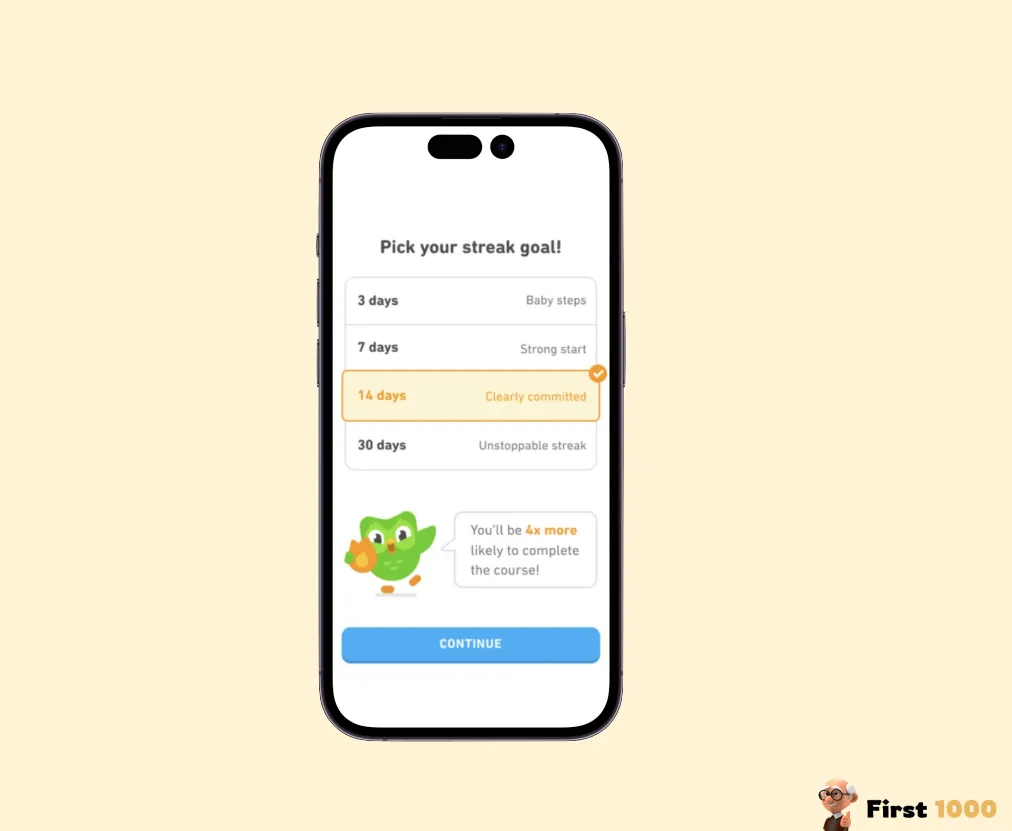
A Duolingo streak-goal example shows a low-cost choice added after a lesson to create commitment.1012 × 831opens the full image 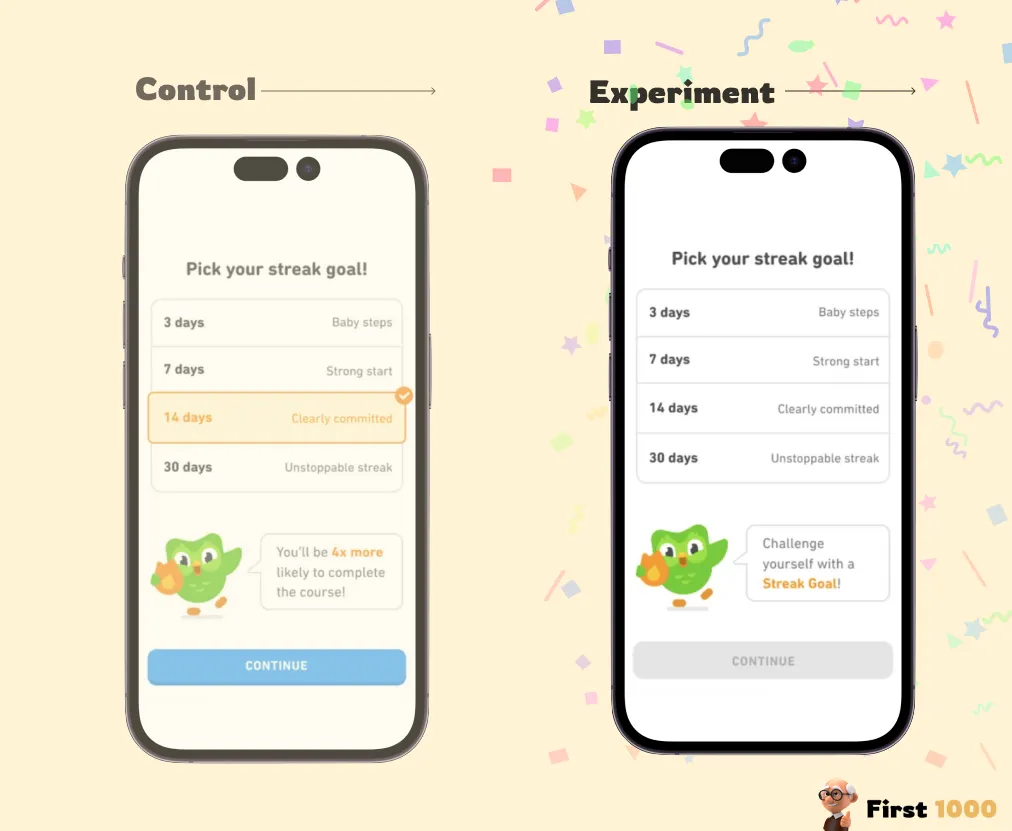
A higher-friction Duolingo version removes the default state so users must actively choose a goal.1012 × 831opens the full image 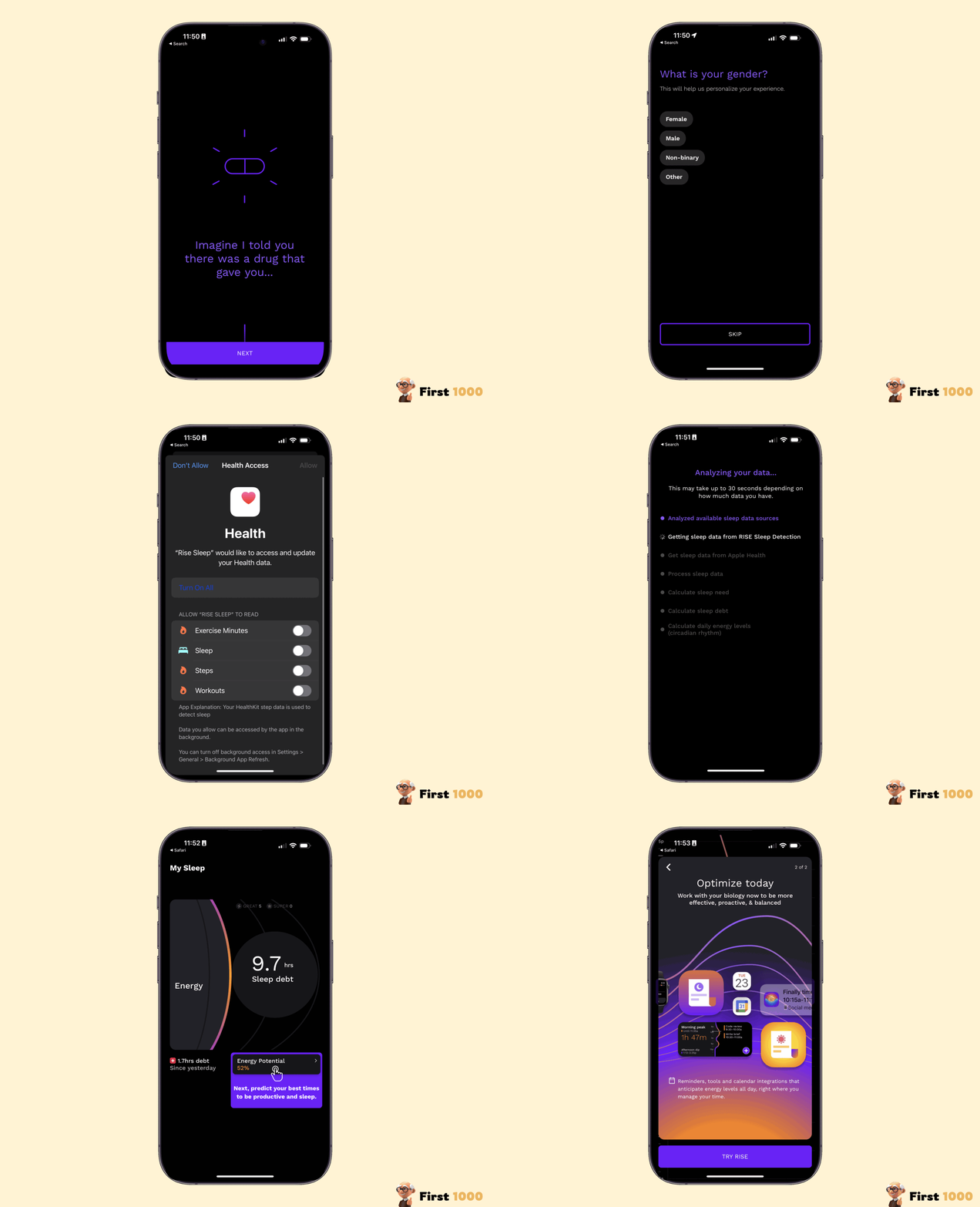
Rise uses a long onboarding sequence to make the product feel personalized and diagnostic rather than generic.1200 × 985opens the full image 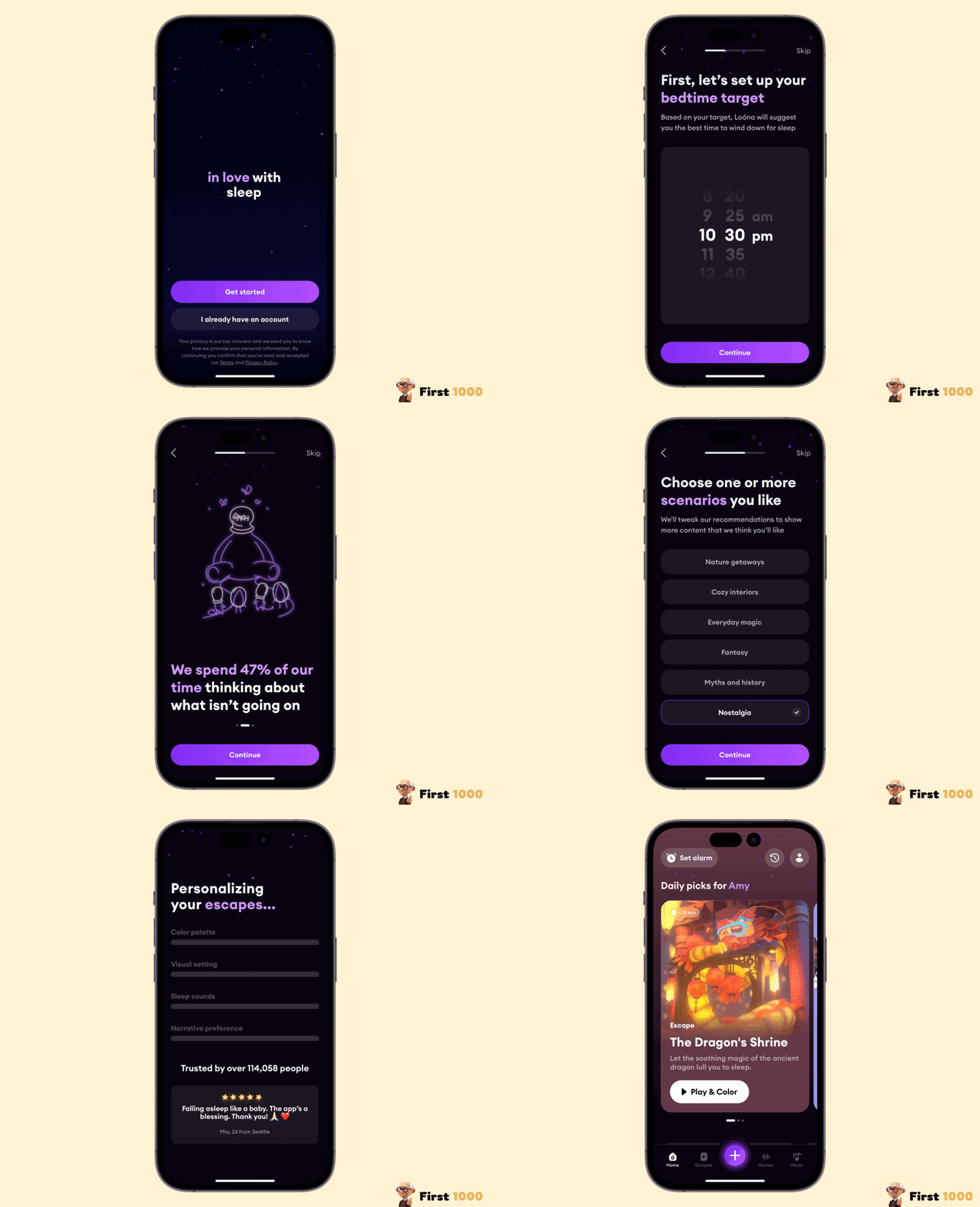
Loona uses a multi-step onboarding sequence to increase perceived personalization before the user reaches the product.1200 × 985opens the full image 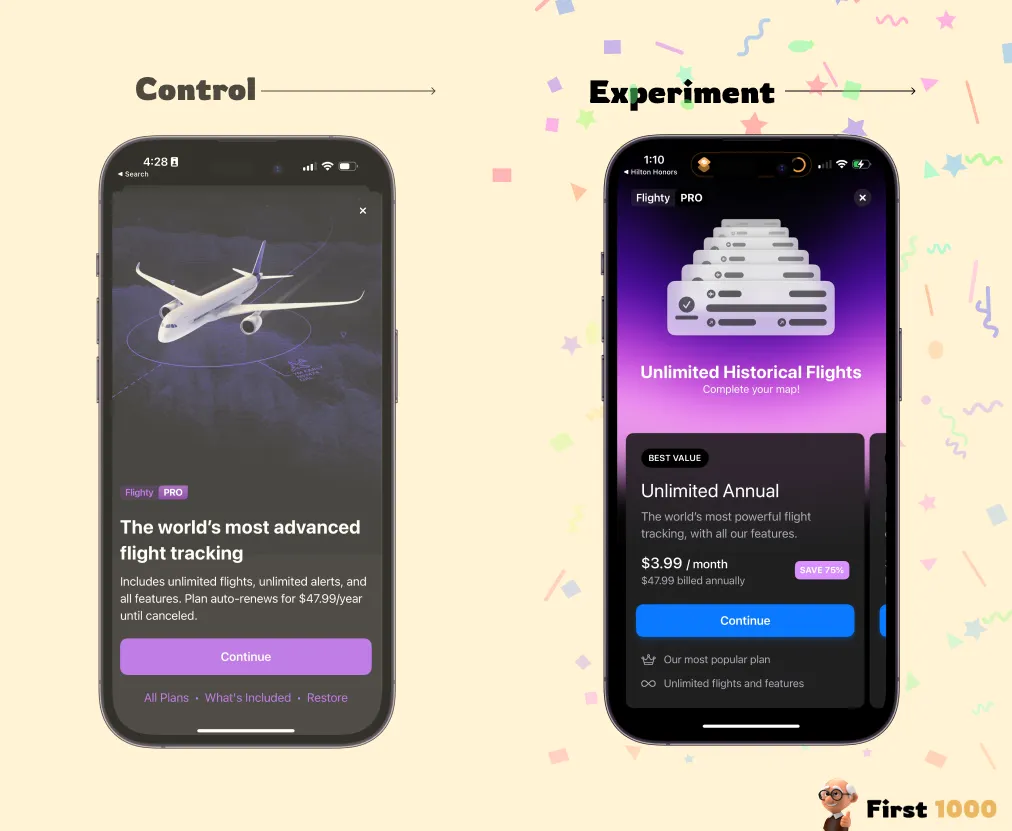
Flighty's earlier purchase flow is simpler and more direct, with less explicit decision support.1012 × 831opens the full image 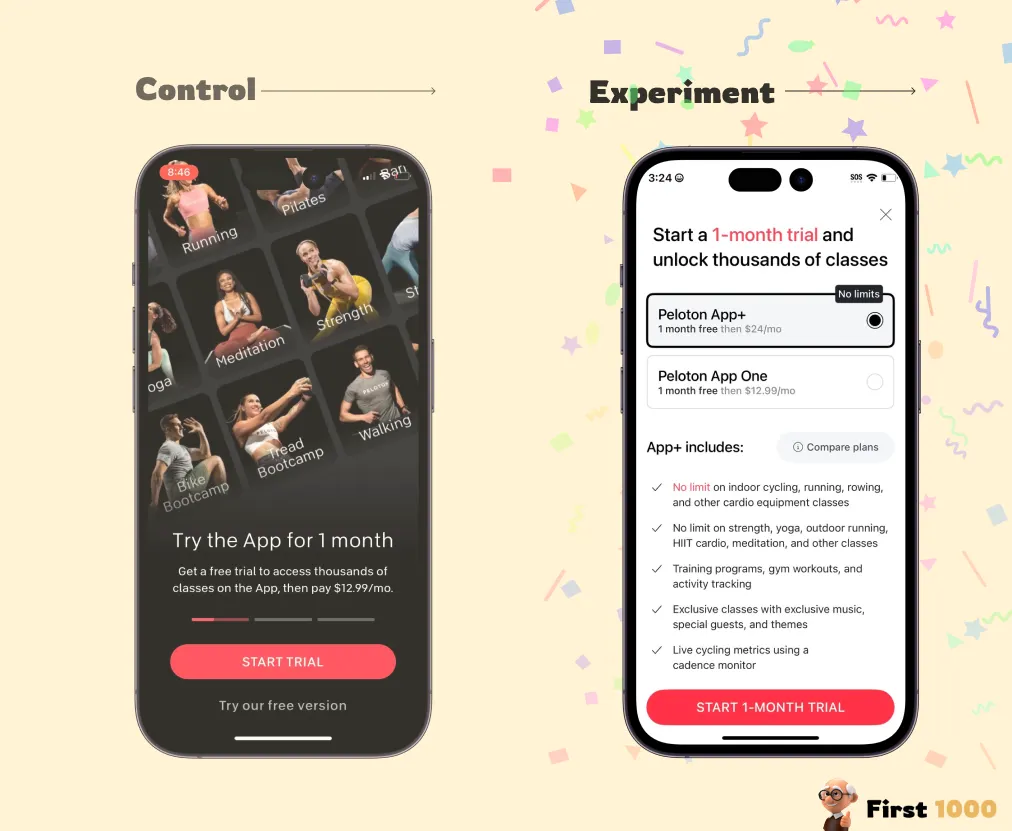
Flighty's later purchase flow adds more visible plan choice, making the decision more deliberate.1012 × 831opens the full image
Show 2 more visuals2 more visuals08
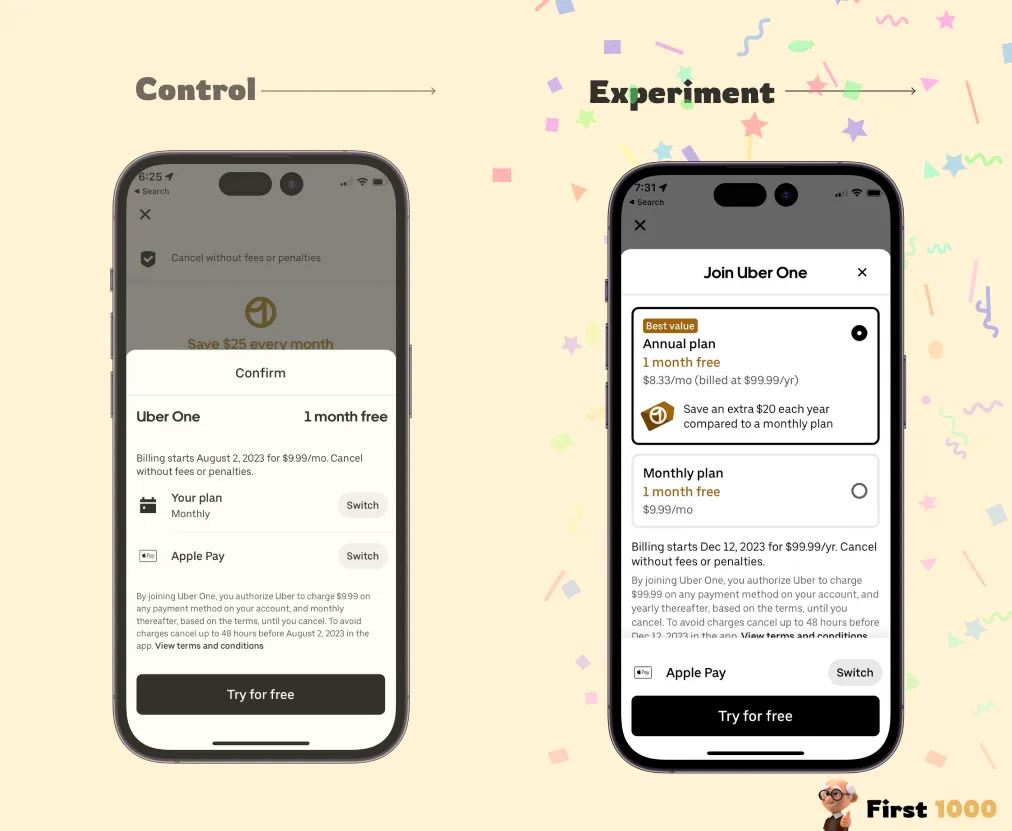
A purchase-flow example adds more comparison and explanation, increasing effort while reducing uncertainty.1012 × 831opens the full image 
The purchase UI makes plan selection more explicit, showing how friction can help when it clarifies the decision.1012 × 831opens the full image
Sources
- [1]
Lazyweb Research: Positive Friction
Defines positive friction as adding value and effort at the same time; cites Rise as 43 onboarding steps and Loona as 19 screens.
Methodology
Product-experiment write-up by Ali Abouelatta, dated on January 29, 2024. Source links are listed below.