Is a 3-day free trial too short — how many apps actually use it?
- By Ali Abouelatta
- n = 54
- Published
- Updated
- 2 min read
- paywall · trials · monetization · onboarding · ux-patterns
Short answer
Only 9 distinct companies advertise a 3-day trial in their primary CTA copy, versus 42 that advertise 7-day.source[1] The 54 raw '3-day' mentions are misleadingly concentrated — 34 come from a single app (plantin). 3-day is a real but niche choice for products whose value lands within a session or two, not a mainstream default.
Just 9 companies advertise a 3-day trial vs 42 for 7-day — Lazyweb Research, July 2026.
The finding
3-day trial mentions total 54 rows, but company-deduped that is only 9 distinct companies — versus 42 companies for 7-day.source[1] The row count is inflated: 34 of the 54 mentions are a single phrase ('Try 3 days free') from one company, plantin.source[1] So on a company basis, 3-day is roughly one-fifth as common as 7-day.
Named 3-day examples show the pattern's shape: smart-cleaner ('Start 3-Day Free Trial', then $5.99/week), tv-remote ('3-DAY FREE, auto-renew. Then $3.99'), plantin (with a lifetime offer).source[2] These are utility and single-purpose apps where the user can judge value almost immediately.
How to apply it
A 3-day trial pairs with a hard, fast conversion strategy: short window, immediate auto-renew, low weekly price. It works when your core value is obvious on first use (a cleaner app, a remote, a plant-ID lookup) and you want to minimize the free-usage window before billing.
If your product needs onboarding, data entry, or habit formation to show value, 3 days is likely too short — and the data agrees, since the companies choosing it skew toward instant-utility apps. The one vertical where 3-day is competitive with 7-day is Education, where 3-day (38 mentions) nearly ties 7-day (37).source[3] Everywhere else, default to 7.
Caveats
Cite the 9-company figure, not the 54 rows, as prevalence — the rows are concentrated in one company.source[1] Length is detected via regex over button plus adjacent copy, so trials shown only on plan cards are missed. The Education comparison (38 vs 37) is at the vertical level (n=443 primary CTAs) and is the only vertical where 3-day is competitive.source[3] July 2026 pull.
Real in-market screens
Screens from real, in-market apps, tracked by Lazyweb Research.
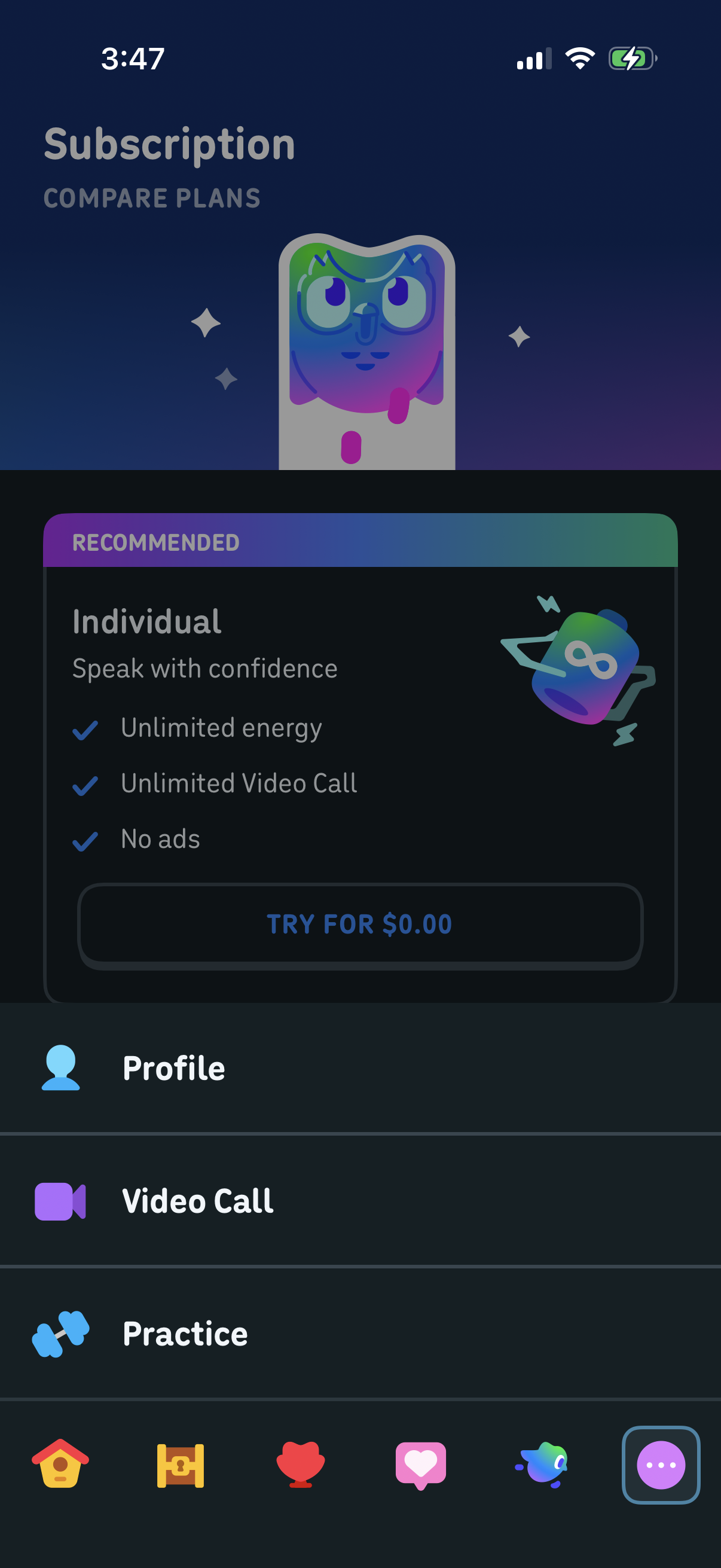
Duolingo1206 × 2622opens the full image 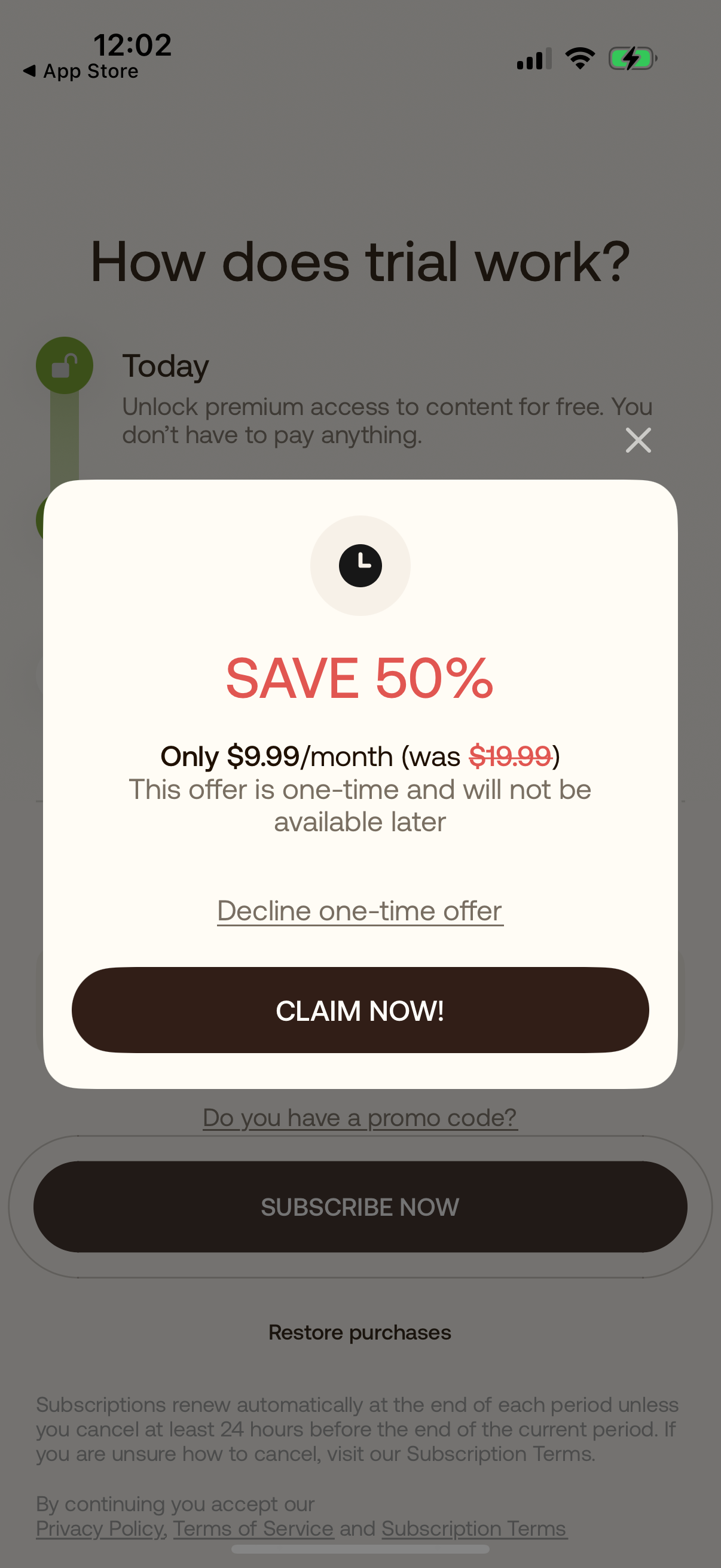
Betterme1206 × 2622opens the full image 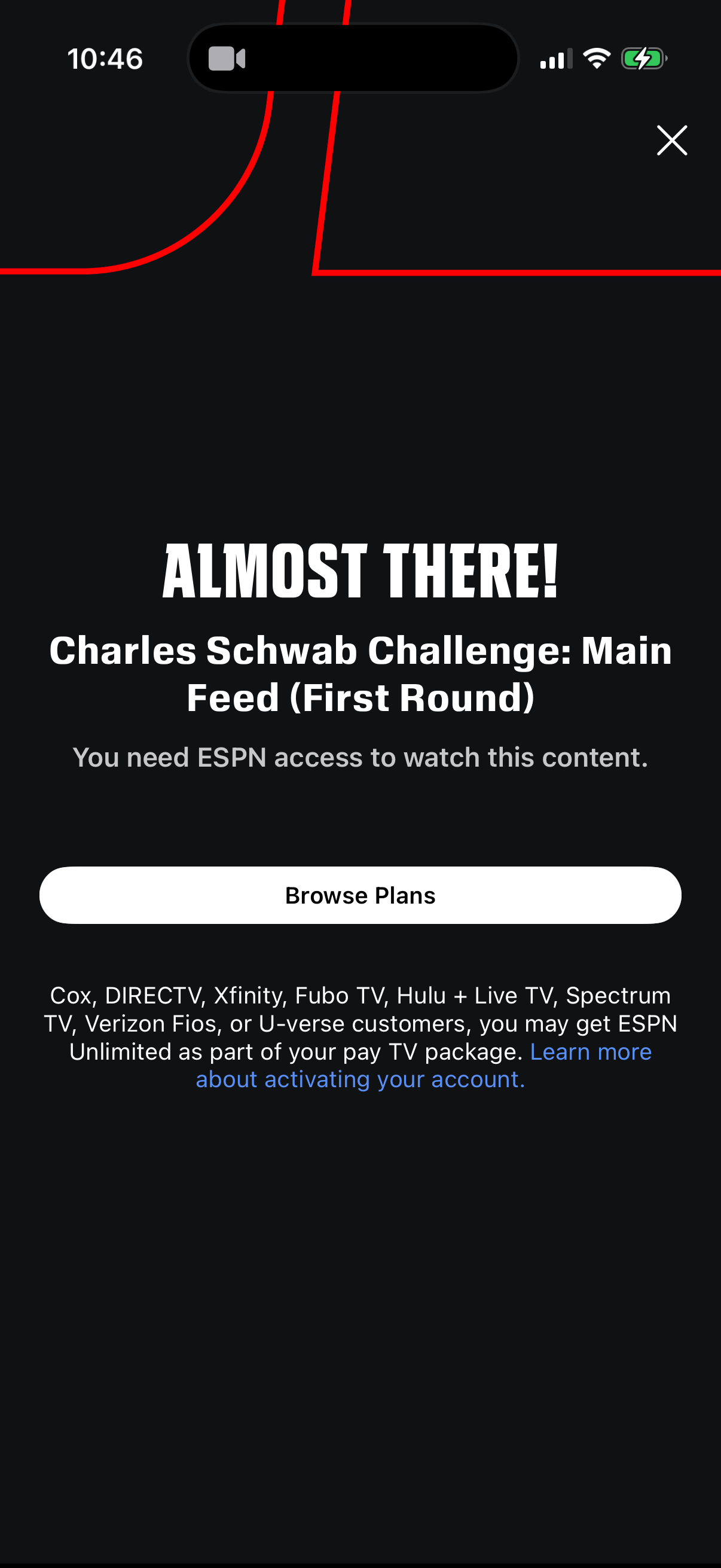
Espn1206 × 2622opens the full image 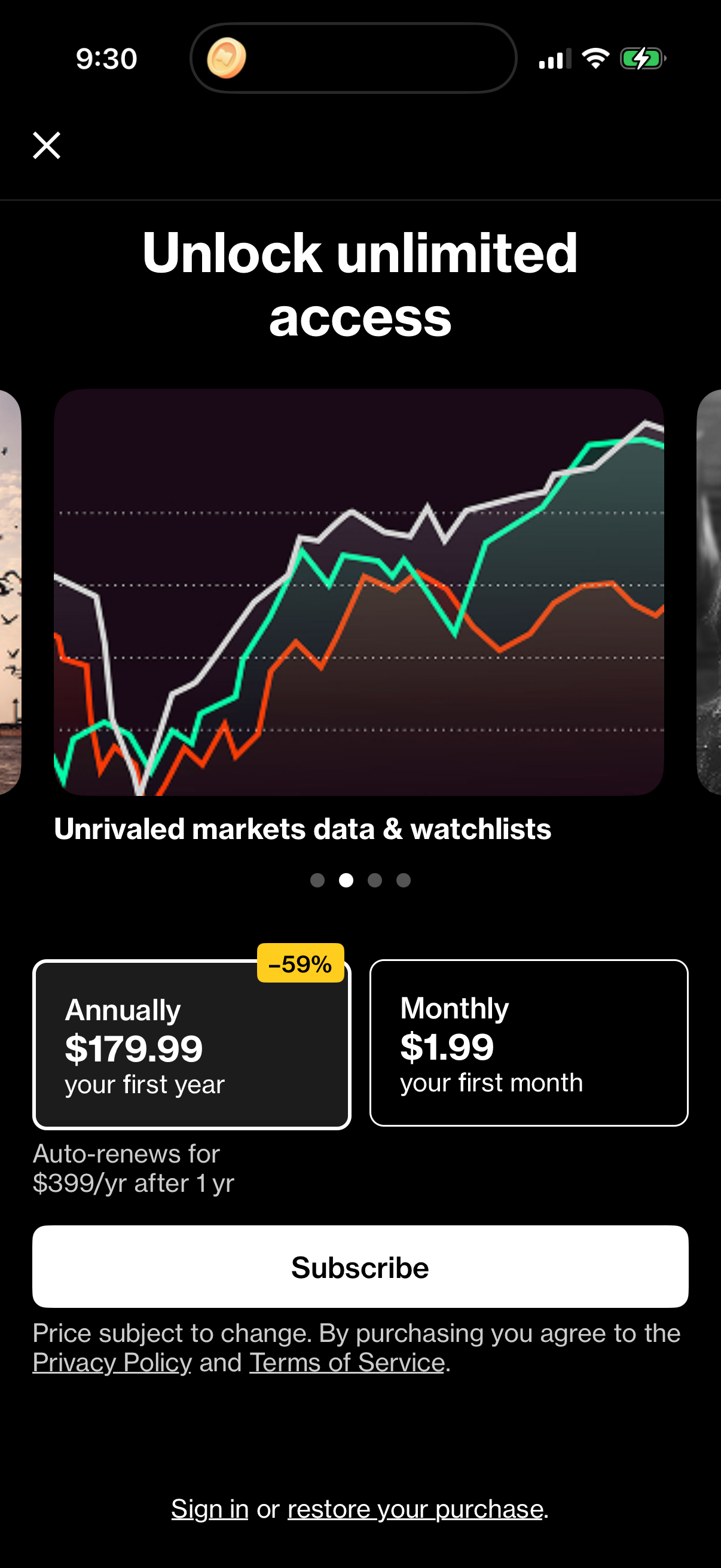
Bloomberg1206 × 2622opens the full image
The numbers
| # | Stat | Computed from |
|---|---|---|
| [1] | 9 companies (54 rows, 34 from plantin) vs 42 companies for 7-day | trial_length_3day, trial_length_companies |
| [2] | examples: smart-cleaner then $5.99/week; tv-remote then $3.99; plantin lifetime | qualitative 3-day examples |
| [3] | Education: 3-day 38 mentions ties 7-day 37 (n=443) | trial_led_by_category_education |
Methodology
Universe: 3-day trial mentions among 1,886 primary CTAs across ~800 tracked apps, July 2026. Deduped by company because row counts are concentrated. Regex over button plus adjacent copy; plan-card-only lengths excluded.
Sources
- [1]
Lazyweb Research analysis of 3-day trial mentions in primary CTAs (~800 tracked apps), July 2026
Company-deduped to 9; 34 of 54 rows from one company (plantin).
- [2]
Lazyweb Research analysis of 1,886 primary paywall CTAs (~800 tracked apps), July 2026
Named 3-day examples from extracted CTA and surrounding copy.
- [3]
Lazyweb Research analysis of 443 Education primary CTAs (~800 tracked apps), July 2026
Education is the only vertical where 3-day roughly ties 7-day.
Source: Lazyweb Research — proprietary analysis of real, in-market app screens. Cite as Lazyweb Research, 2026-07-07.