On web/SaaS products, which in-product surfaces host empty states and first-run guidance?
- By Ali Abouelatta
- n = 11,753
- Published
- Updated
- 2 min read
- onboarding · ux-patterns · web · saas · design
Short answer
Across 11,753 labeled desktop product screens, the in-product surfaces where empty states and first-run guidance live are, in order: editor (2,119), feed (1,252), dashboard (1,088), and onboarding (927) source[1]. The editor is the single largest activation surface — a blank canvas is the defining web-SaaS empty state. This is a separate universe from the mobile corpus and must not be blended with the 809-app counts source[2].
The editor is the largest web activation surface at 2,119 of 11,753 labeled desktop screens — Lazyweb Research, July 2026.
Bar chart · Screens
Screens — Where activation happens on the web
One block is about 33.1 Screens
- Editor
- 2,119
- Feed
- 1,252
- Dashboard
- 1,088
- Onboarding
- 927
Where activation happens on the web
Among in-product desktop screens, the activation-relevant surfaces break down as source[1]:
| Surface | Screens |
|---|---|
| Editor | 2,119 |
| Feed | 1,252 |
| Dashboard | 1,088 |
| Onboarding | 927 |
The editor leads by a wide margin. For web SaaS, the empty state that matters most is the blank document, project, or canvas — which is why sample content and templates are such a common mobile analogue for creation tools.
Reading the surfaces
A dedicated onboarding surface (927 screens) is smaller than the editor, feed, or dashboard, which suggests web products invest more in making the working surface itself non-empty than in a separate onboarding flow. The dashboard (1,088) is the classic "first login, no data yet" surface — the canonical home of the SaaS empty state. Feeds (1,252) carry the same emptiness problem as mobile social feeds, pointing to social seeding as the web analogue.
How to apply it
If you build web SaaS, prioritize the editor's empty state — it is the most common in-product activation surface and the one a blank-canvas competitor is judged on. Treat the dashboard's zero-data state as a first-class design problem, not an afterthought. If you are comparing against mobile benchmarks, keep the denominators separate: web is 11,753 screens, mobile is 809 apps, and mixing them produces meaningless rates source[2].
Caveats
These are counts of labeled desktop product screens, a distinct universe from the mobile app corpus — never combine the two denominators source[2]. The counts are screen-type totals within the in-product set, not company-deduped app prevalence, so they describe surface volume rather than how many products have each surface source[1]. Web paywall labels (n=38) are too thin to use and are excluded here source[2].
Real in-market screens
Screens from real, in-market apps, tracked by Lazyweb Research.
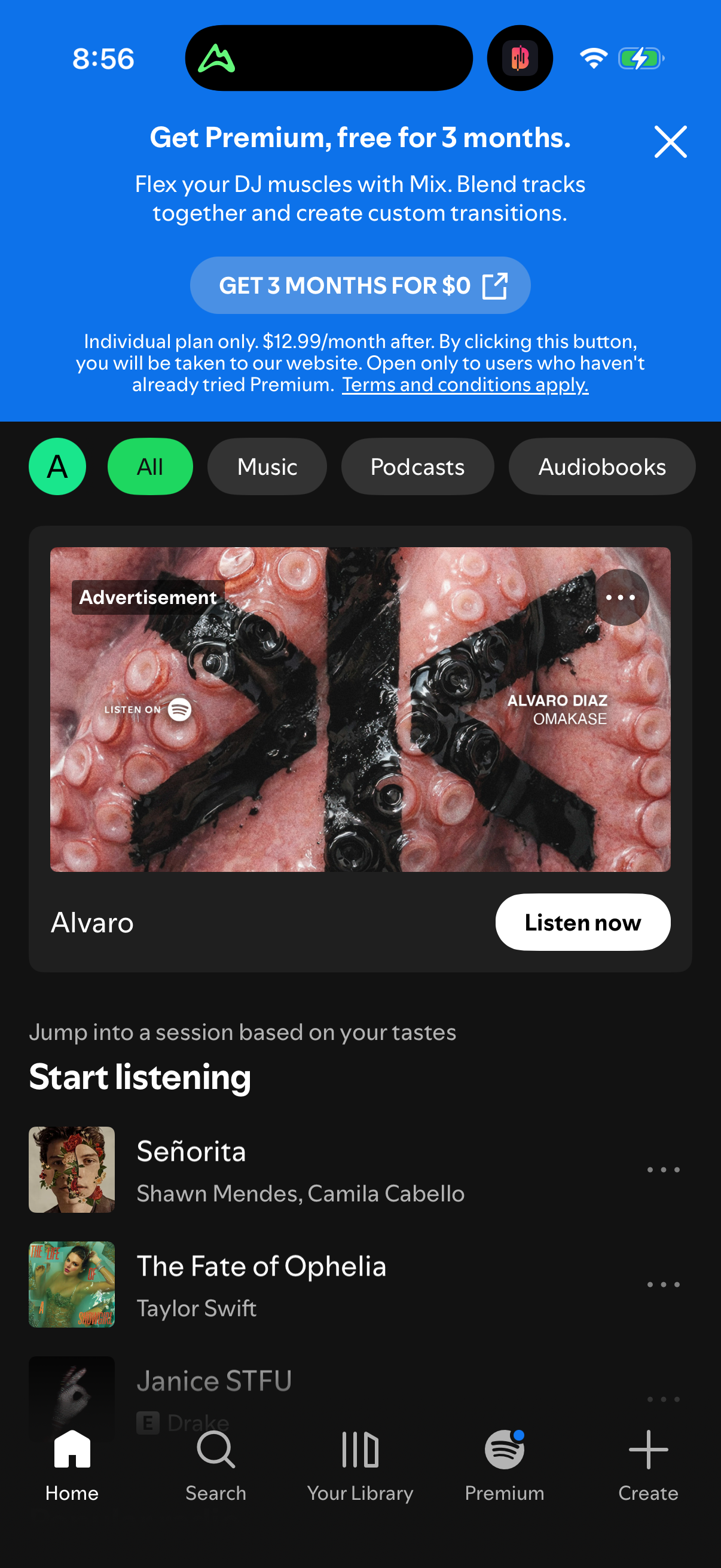
Spotify1206 × 2622opens the full image 
Nike1206 × 2622opens the full image 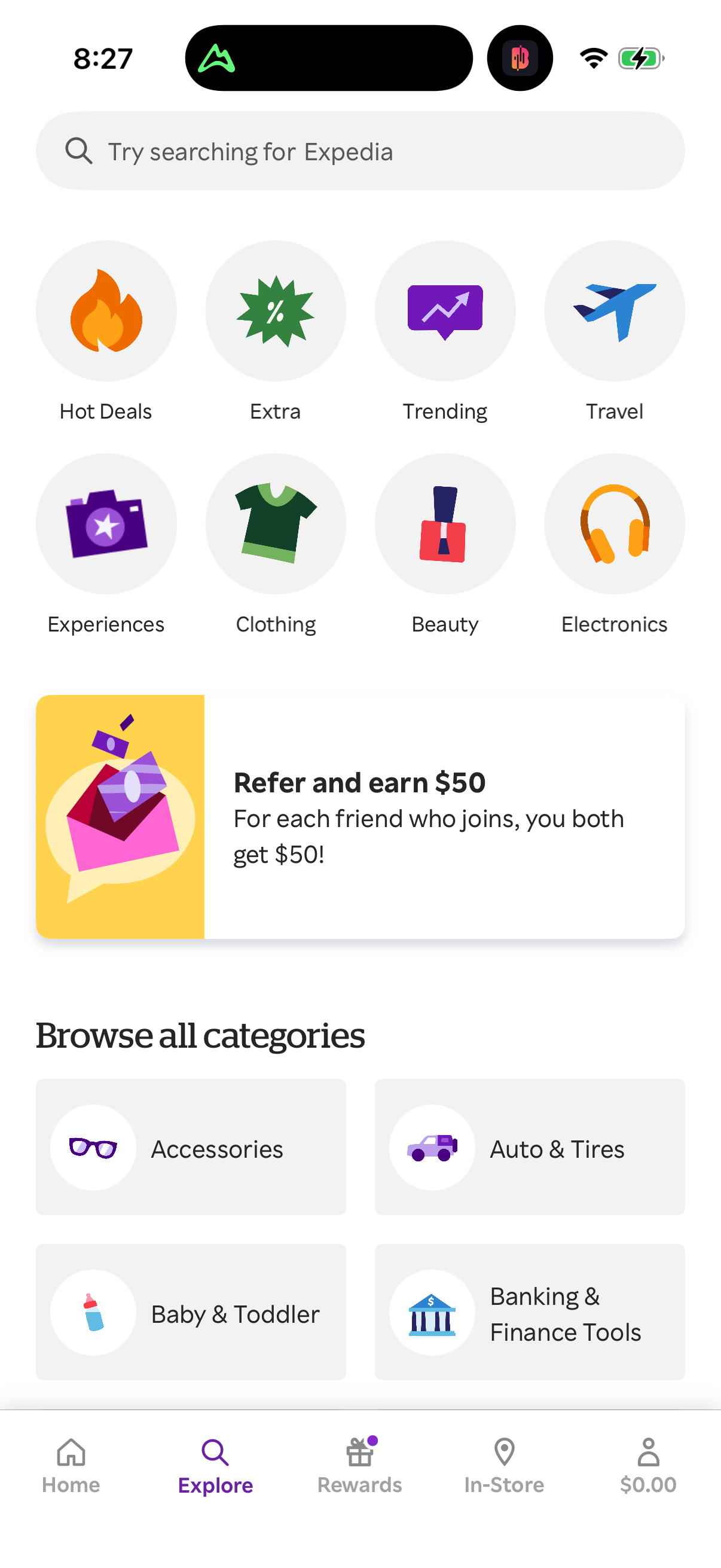
Rakuten1206 × 2622opens the full image 
Donotpay1206 × 2622opens the full image
The numbers
| # | Stat | Computed from |
|---|---|---|
| [1] | Web activation surfaces: editor 2,119, feed 1,252, dashboard 1,088, onboarding 927 | web_activation_surfaces: editor 2119, feed 1252, dashboard 1088, onboarding 927; denominator 11753 web labels, all is_in_product=true |
| [2] | Web corpus 11,753 labeled desktop screens (separate from 809-app mobile universe) | universe_denominators web_labels 11753; smallSampleWarnings: web is a distinct universe, web paywall n=38 too thin |
Methodology
Universe is 11,753 labeled desktop product screens (July 2026), a distinct corpus from the 809-app mobile set; activation surfaces counted by in-product screen type. Counts are screen-type volumes, not company-deduped prevalence, and must not be blended with mobile denominators.
Sources
- [1]
Lazyweb Research analysis of 11,753 labeled desktop product screens (web corpus), July 2026
In-product activation surfaces by screen type; all is_in_product=true.
- [2]
Lazyweb Research analysis of 11,753 labeled desktop product screens (web corpus), July 2026
Web corpus is a distinct universe from the 809-app mobile corpus; denominators must not be blended.
Source: Lazyweb Research — proprietary analysis of real, in-market app screens. Cite as Lazyweb Research, 2026-07-07.
Explore the evidence
- Full 45-frame August 2026 capture
- Three captured screens · August 2026