What do apps actually change when they experiment on checkout?
- By Ali Abouelatta
- n = 81
- Published
- Updated
- 2 min read
- checkout · experiments · monetization · mobile · ux-patterns
Short answer
The corpus detected 81 before/after checkout experiments across 19 companies source[1]. By area, the changes split into payment (34), cart (27), core checkout (21), and express-pay (8) source[1]. These are observed UI changes with LLM-inferred rationale — not measured A/B lift — and they are concentrated (adidas dominates), so read them as a menu of what teams touch, not as win rates.
81 detected checkout experiments across 19 companies split into payment (34), cart (27), checkout (21), and express-pay (8) — Lazyweb Research, July 2026.
Bar chart · Detected changes
Detected changes — The finding: payment and cart are the most-touched areas
One block is about 1.2 Detected changes
- Payment
- 34
- Cart
- 27
- Checkout (core)
- 21
- Express-pay (Apple Pay / express / Google Pay)
- 8
The finding: payment and cart are the most-touched areas
Of the 81 detected checkout-related experiments across 19 companies, payment and cart changes are the most common source[1].
| Area touched | Detected changes |
|---|---|
| Payment | 34 |
| Cart | 27 |
| Checkout (core) | 21 |
| Express-pay (Apple Pay / express / Google Pay) | 8 |
The count spans only 19 companies and is heavily concentrated, so the totals describe activity, not effectiveness source[1].
What the changes look like (observed, not measured)
Representative teardowns show the recurring moves source[2]:
- adidas replaced a grayed-out 'PLACE ORDER' with an Apple Pay 'Check out with Pay' primary CTA, and in another change added an explicit delivery date, free-shipping copy, and a payment-method row before the promo field.
- doordash tightened delivery estimates (Express 21-36 to 15-27 min) and raised displayed DashPass savings at the order-summary step.
- backmarket reframed the empty-cart state from a generic 'Your cart is empty' toward a favorites-empty framing.
Each is a single observed change with inferred rationale — a hypothesis to borrow, not a validated result source[2].
Caveats
These 81 changes are detected UI diffs whose text touches checkout/payment/cart/order-summary language, with rationale inferred by an LLM — never measured A/B lift source[1]. They span only 19 companies and are dominated by adidas, so dedupe by distinct change and company before drawing conclusions source[1]. The denominator (81 of 4,814 detected experiments overall) means checkout is a small slice of tracked experimentation source[1].
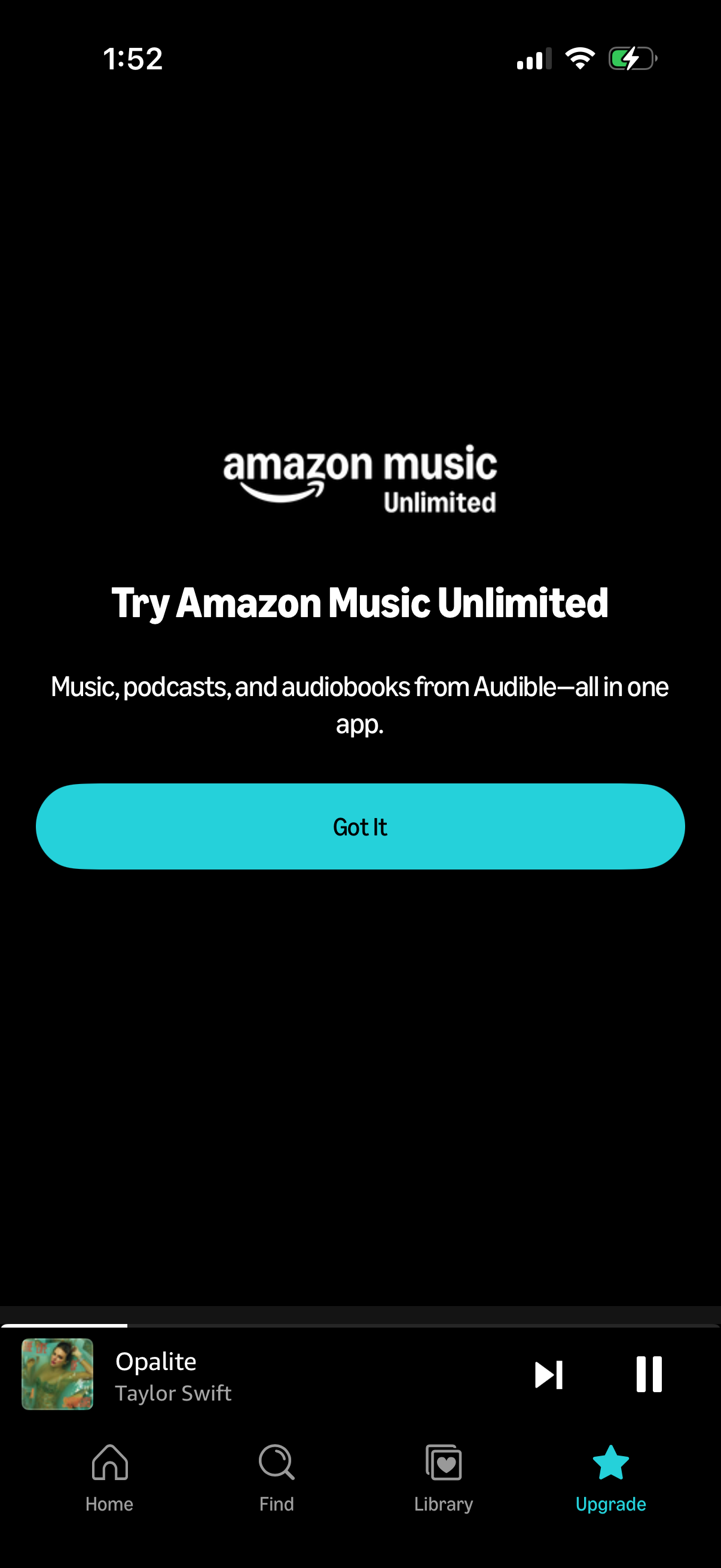
Real in-market screens
Screens from real, in-market apps, tracked by Lazyweb Research.
Amazon Music1206 × 2622opens the full image 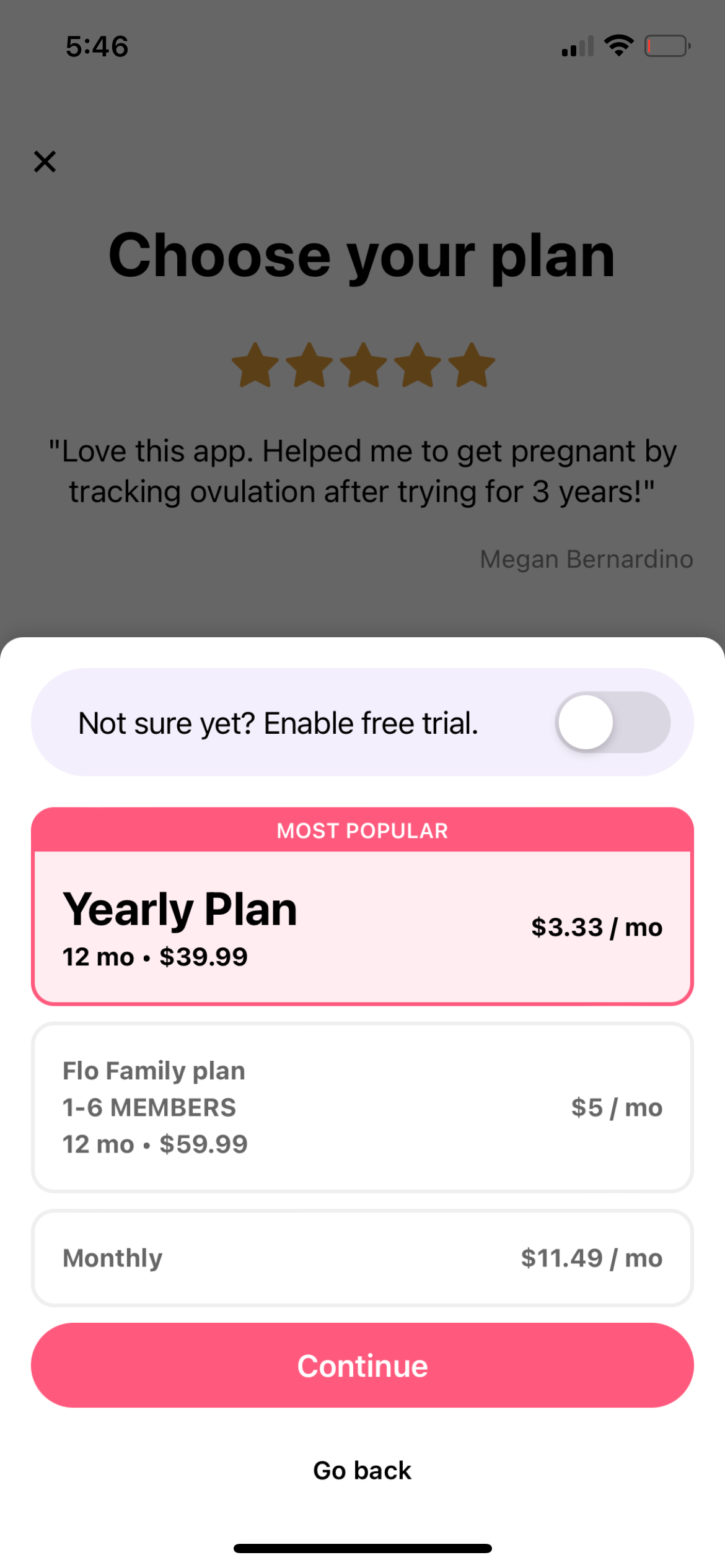
Flo1170 × 2532opens the full image 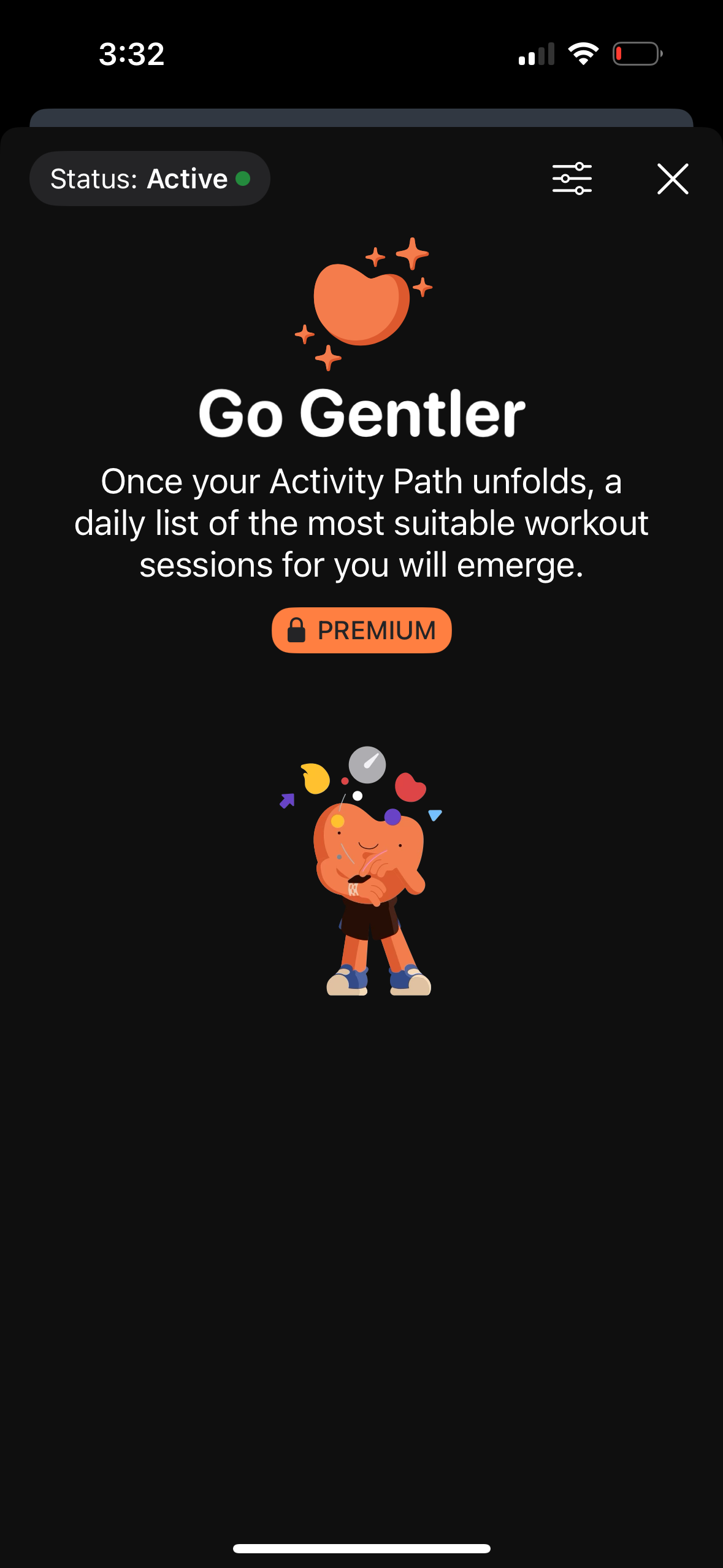
Gentler1179 × 2556opens the full image 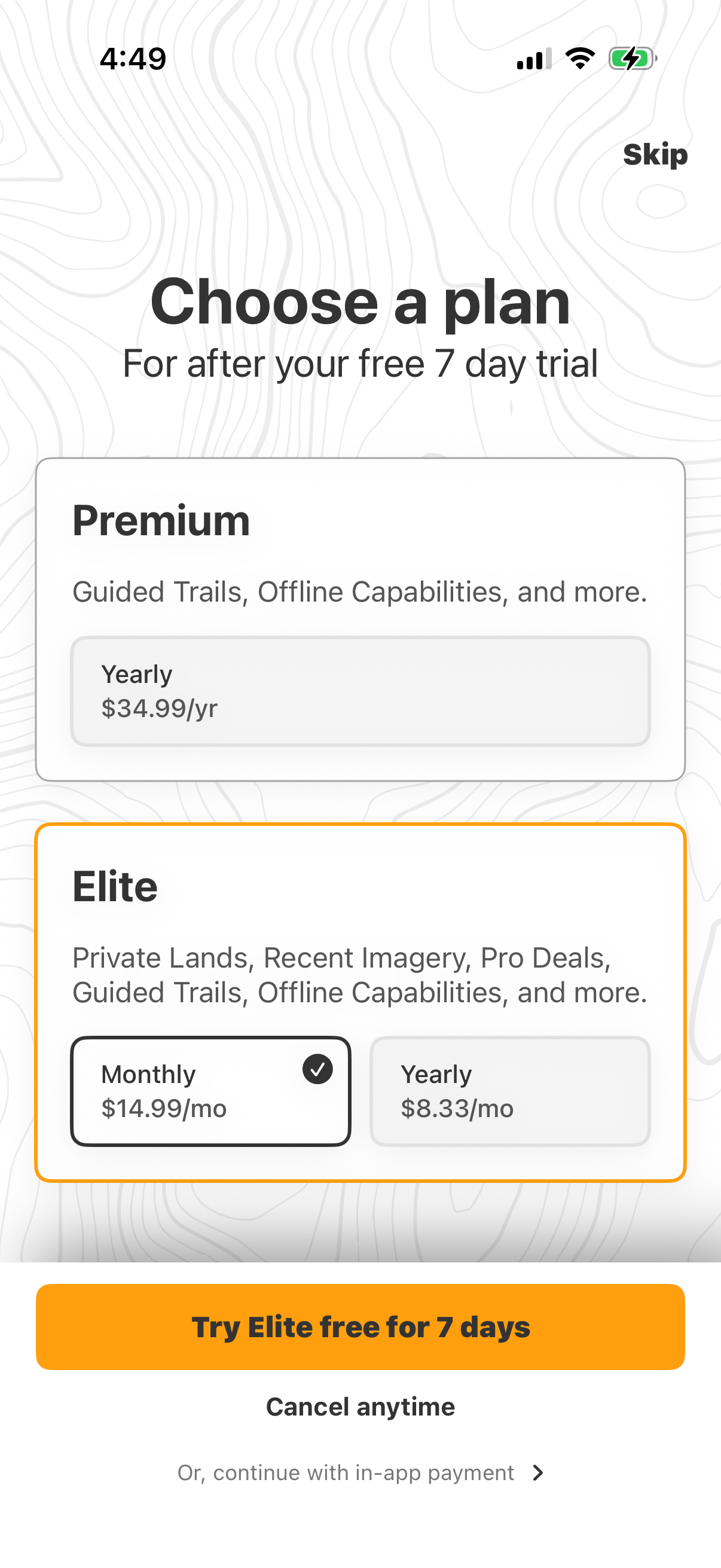
Onx Offroad1206 × 2622opens the full image
The numbers
| # | Stat | Computed from |
|---|---|---|
| [1] | 81 detected checkout experiments across 19 companies: payment 34, cart 27, checkout 21, express-pay 8 (of 4,814 total detected experiments) | checkout_experiments_total (81; breakdown checkout=21 payment=34 cart=27 express_pay=8; denominator 4,814); checkout_experiment_companies (19) |
| [2] | adidas, doordash, backmarket representative observed checkout changes | qualitative teardowns: adidas Apple Pay primary CTA + delivery/payment row; doordash tighter delivery + larger savings; backmarket empty-cart reframe |
Methodology
Universe: 81 detected checkout/payment/cart/order-summary experiments across 19 companies (of 4,814 total detected experiments). Method: automated before/after UI diff detection with LLM-inferred rationale, July 2026. Caveat: observed changes not measured lift; concentrated in a few companies.
Sources
- [1]
Lazyweb Research analysis of 81 detected checkout experiments across 19 companies (mobile app corpus), July 2026
Detected before/after diffs whose text touches checkout/payment/cart/order-summary; area breakdown payment 34, cart 27, checkout 21, express-pay 8; 81 of 4,814 total detected experiments; heavily concentrated (adidas dominates).
- [2]
Lazyweb Research analysis of 81 detected checkout experiments across 19 companies (mobile app corpus), July 2026
adidas, doordash, backmarket qualitative teardowns: observed UI change + inferred rationale, not measured A/B lift.
Source: Lazyweb Research — proprietary analysis of real, in-market app screens. Cite as Lazyweb Research, 2026-07-07.